
Be Prepared. Stay Calm. Save Lives
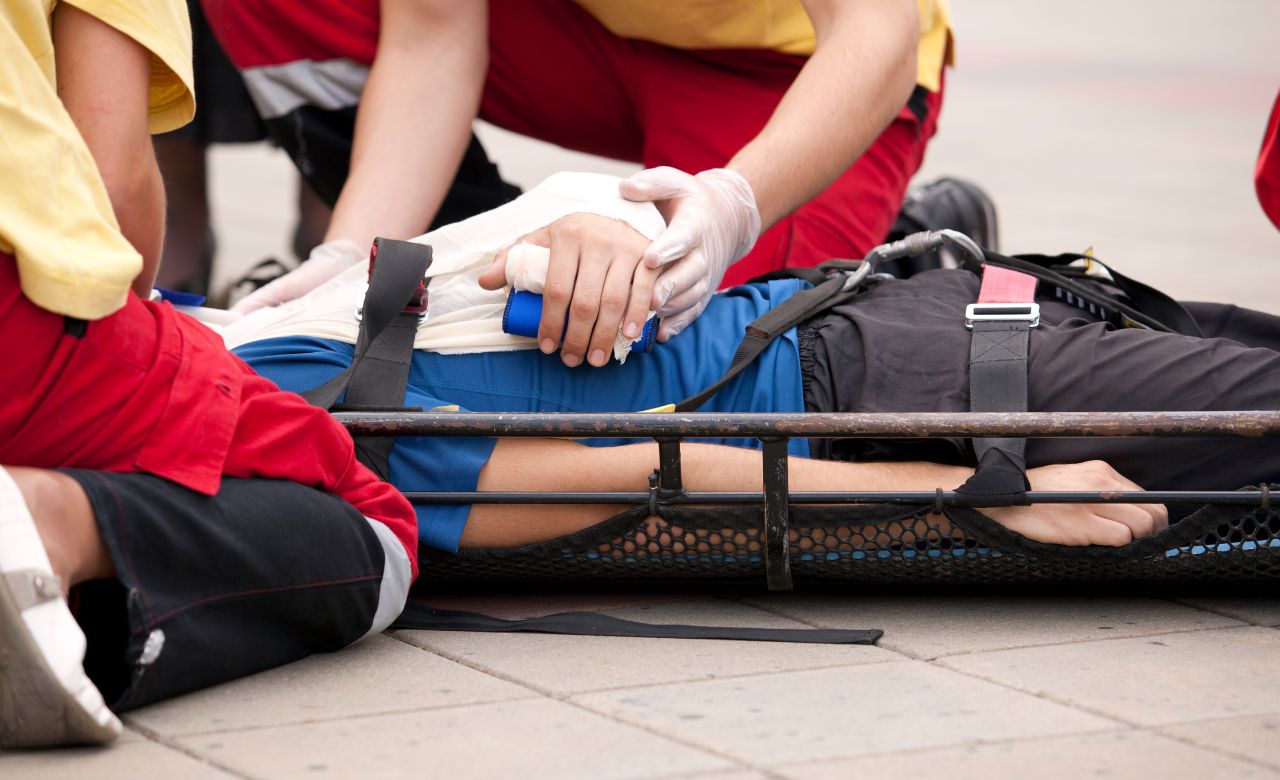
Emergencies can strike at any time—at home, at work, or in public. In those first few moments, knowing how to respond can make the difference between life and death. First aid is a practical life skill that empowers ordinary people to take immediate action while waiting for professional help.
This guide introduces essential first aid principles and techniques that every individual should know.
What Is First Aid?
First aid is the immediate care provided to someone suffering from injury or illness before professional medical treatment is available. Its main goals are:
- To preserve life
- To prevent the condition from worsening
- To promote recovery
With basic first aid skills, you can reduce pain, stop bleeding, prevent infection, and, in critical cases, save lives.
Key Principles of First Aid
1. Ensure Your Own Safety First
Before you assist anyone, make sure the environment is safe. Do not rush into a situation that may put your own life at risk. Check for hazards such as fire, traffic, water, or exposed wires.
2. Call for Emergency Help Immediately
Contact medical professionals as soon as possible. In Kenya, emergency services can be reached by dialing 999, 911, or 112. Provide your name, location, nature of the emergency, and condition of the injured person.
3. Stay Calm and Reassure the Casualty
Remain composed. Panic can escalate the situation. Speak in a clear and steady voice. Comfort the person by letting them know help is coming and that you’re there to assist.
Basic First Aid Techniques
Controlling Bleeding
- Apply firm, direct pressure on the wound using a clean cloth or sterile bandage.
- If possible, raise the injured part above the level of the heart.
- Do not remove objects lodged in the wound—apply pressure around the object.
- Add more layers if the bandage becomes soaked with blood, but do not remove it.
Performing CPR (Cardiopulmonary Resuscitation)
If a person is unconscious and not breathing:
- Tap and shout to check for responsiveness.
- Call for help or ask someone nearby to call emergency services.
- Start chest compressions by placing one hand over the other and pressing firmly on the center of the chest. Push down at a rate of 100–120 compressions per minute.
- Continue until the person begins breathing or professional help arrives.
Note: Attending a certified CPR course is strongly recommended.
Treating Fainting
- Help the person lie down flat.
- Raise their legs slightly to improve blood flow to the brain.
- Loosen any tight clothing.
- If they don’t regain consciousness within one minute, seek emergency assistance.
Handling Burns
- Cool the burn immediately under running water for 10 to 20 minutes.
- Do not use ice, butter, or oily substances.
- Cover the area with a sterile dressing or clean cloth.
- For serious burns, seek medical attention immediately.
Managing Choking
If a person is choking and cannot speak or breathe:
- Encourage them to cough if possible.
- Deliver five firm back blows between the shoulder blades using the heel of your hand.
- If this fails, perform five abdominal thrusts (Heimlich maneuver).
- Alternate between back blows and thrusts until the object is expelled or the person becomes unconscious.
Responding to Allergic Reactions
- Symptoms may include swelling, difficulty breathing, rash, or dizziness.
- Help the person use their prescribed epinephrine injector (e.g., EpiPen) if available.
- Keep them calm and monitor breathing.
- Call emergency services without delay.
Treating Broken Bones and Sprains
- Immobilize the area—do not attempt to straighten or move the bone.
- Apply a cold pack to reduce swelling.
- Support the limb using a cushion, cloth, or sling.
- Seek medical help for proper treatment and diagnosis.
Other Valuable First Aid Skills
- Stopping a nosebleed by pinching the nostrils and leaning the head forward
- Cleaning minor wounds with antiseptic and covering them with clean bandages
- Recognizing signs of stroke or heart attack and acting quickly
- Using disposable gloves and hand sanitizer to prevent infection while treating others
Why Everyone Should Learn First Aid
First aid knowledge offers more than just emergency response. It builds confidence, encourages responsibility, and promotes safety in families, schools, workplaces, and communities. In workplaces and institutions, having trained first aiders improves preparedness and reduces liability in the event of an incident.


Leave a Reply