

Listening is a foundational skill in effective communication, yet many people overlook its depth and significance. True listening is not just about hearing words—it involves concentration, interpretation, and an intentional response. To communicate well and build stronger relationships, it’s important to distinguish between active and passive listening.
Active Listening
Active listening means being fully engaged in a conversation. It’s an intentional effort to not only hear the speaker’s words but to understand their message and respond thoughtfully.
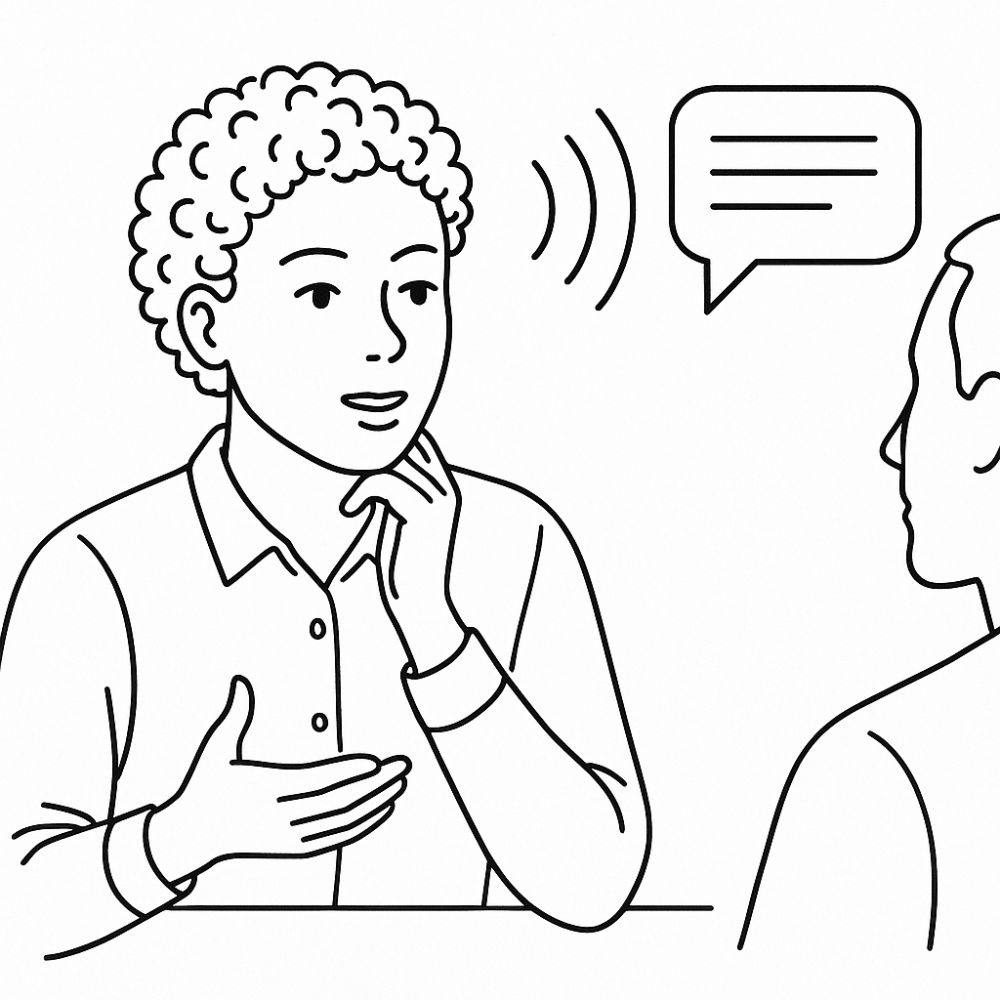
Key components of active listening include:
- Focused Attention: The listener gives their complete attention to the speaker, eliminating distractions and staying mentally present throughout the conversation.
- Feedback: The listener provides both verbal and non-verbal cues—such as nodding, maintaining eye contact, or using affirming phrases like “I see” or “That makes sense”—to show attentiveness and encourage continued dialogue.
- Clarification: The listener asks questions or rephrases what the speaker has said to ensure accurate understanding, which prevents miscommunication and demonstrates genuine interest.
When practiced consistently, active listening builds trust, strengthens relationships, and fosters clearer understanding between individuals.
Passive Listening
Passive listening, on the other hand, involves hearing words without meaningful engagement or effort to understand. The listener may appear to be listening, but they are mentally disengaged or distracted.
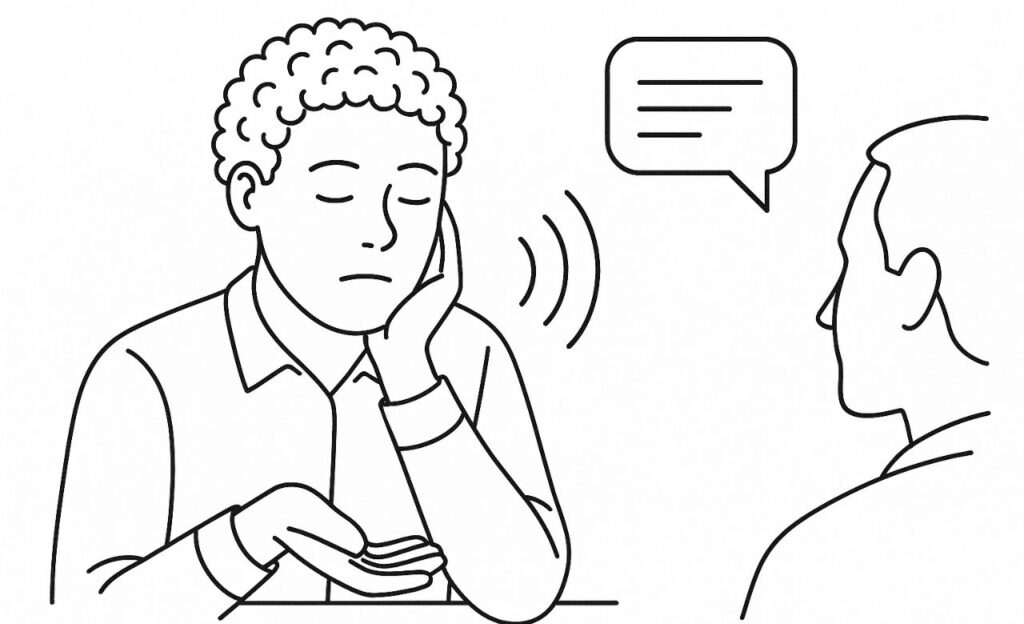
Characteristics of passive listening include:
- Minimal Interaction: The listener gives little to no feedback, making it difficult for the speaker to know whether they are being understood or heard.
- Superficial Engagement: The listener hears the words but doesn’t process their meaning deeply, leading to a lack of connection or empathy.
- Risk of Misunderstanding: Passive listening often results in missed information or misinterpretation, which can cause confusion or frustration in conversations.
This form of listening can hinder effective communication and negatively affect both personal and professional relationships.
Tips for Mastering Active Listening
To develop and strengthen active listening skills, consider the following practices:
- Maintain Eye Contact: This signals that you are present and paying attention to the speaker.
- Avoid Interruptions: Let the speaker express their thoughts completely before responding. Interrupting can make them feel unheard or disrespected.
- Reflect and Clarify: Rephrase key points or ask questions to confirm your understanding. This shows that you value the speaker’s message.
- Empathize with the Speaker: Try to understand not only the words being said but also the emotions and perspective behind them.
- Offer Meaningful Feedback: Respond in ways that encourage further conversation and demonstrate that you’re engaged.
Mastering the art of active listening doesn’t happen overnight, but with consistent practice, it can transform your communication. Whether in personal conversations, professional meetings, or group discussions, active listening fosters mutual respect, deeper connection, and more effective dialogue.


Leave a Reply