

At the heart of strong and fulfilling relationships—whether personal or professional—is emotional intelligence (EQ). Unlike IQ, which measures cognitive abilities, EQ is the capacity to understand, manage, and express emotions effectively, both in yourself and in others. It is the cornerstone of empathy, trust, and connection.
1. What Is Emotional Intelligence?
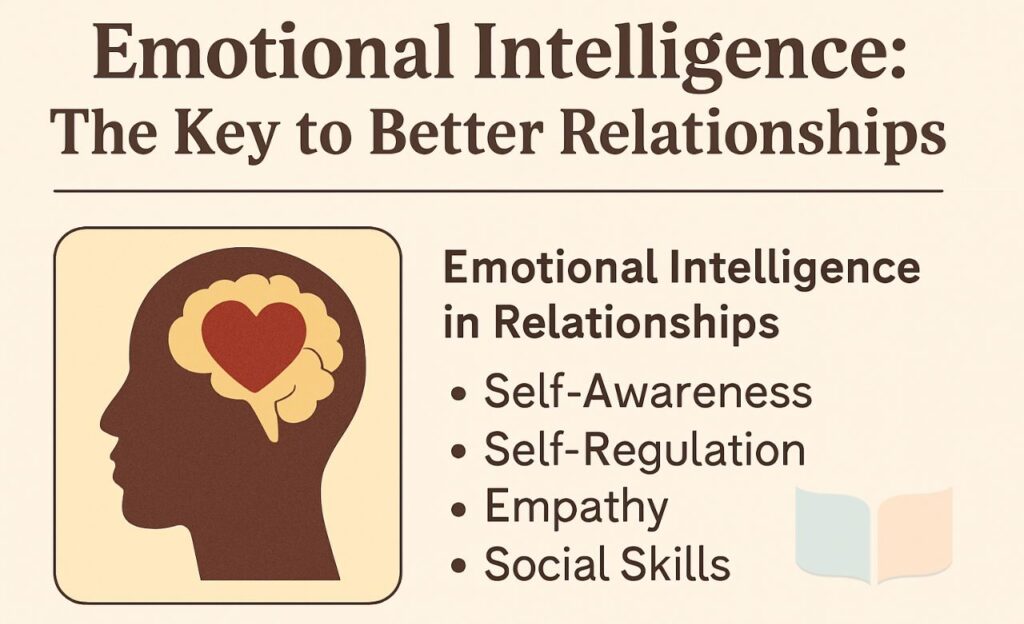
Emotional intelligence refers to a set of skills that help individuals navigate social complexities, build strong relationships, and make informed, empathetic decisions. Daniel Goleman, a leading psychologist on the topic, outlines five key components of EQ:
- Self-Awareness: Recognizing and understanding your own emotions.
- Self-Regulation: Managing emotions in healthy ways, especially during conflict or stress.
- Motivation: Harnessing emotions to pursue goals with energy and persistence.
- Empathy: Understanding and sharing the feelings of others.
- Social Skills: Building healthy relationships and navigating social environments effectively.
2. Emotional Intelligence in Personal Relationships
In marriages, friendships, and family dynamics, emotional intelligence fosters open communication and mutual respect. Individuals with high EQ are better equipped to listen without judgment, express their emotions constructively, and respond with empathy.
Benefits of EQ in Personal Life:
- Conflict Resolution: High EQ individuals de-escalate tensions and find common ground.
- Deeper Intimacy: Emotional openness builds trust and emotional safety.
- Stronger Bonds: Empathy and understanding reduce misunderstandings and increase connection.
Example: A parent with high EQ can recognize their child’s frustration, validate their feelings, and guide them calmly, rather than reacting harshly.
3. Emotional Intelligence in the Workplace
In professional settings, EQ is a valuable asset for leadership, teamwork, and communication. It promotes collaboration and minimizes friction in diverse teams.
How EQ Benefits Work Relationships:
- Leadership: Emotionally intelligent leaders inspire and motivate others.
- Teamwork: EQ promotes mutual respect and effective collaboration.
- Customer Relations: Understanding customer emotions enhances service and satisfaction.
Example: A manager with high EQ can sense when an employee is overwhelmed and offer support or adjustments, improving morale and productivity.
4. How to Develop Emotional Intelligence
The good news is that emotional intelligence can be developed with practice and intention. Here are practical steps:
A. Increase Self-Awareness
- Keep a journal of emotional responses and triggers.
- Practice mindfulness to notice your emotions without judgment.
B. Learn to Regulate Emotions
- Pause before reacting.
- Use deep breathing or counting to ten in tense situations.
C. Cultivate Empathy
- Listen to understand, not just to respond.
- Ask open-ended questions about how others feel.
D. Strengthen Social Skills
- Practice assertive communication—not aggressive or passive.
- Offer genuine praise and constructive feedback.
5. Overcoming Barriers to Emotional Intelligence
Certain habits and mindsets can hinder emotional growth:
- Suppressed Emotions: Ignoring feelings can lead to emotional explosions or disconnect.
- Cultural Norms: Some cultures discourage emotional expression, making EQ development challenging.
- Stress and Fatigue: High stress impairs emotional regulation and empathy.
Awareness of these barriers is the first step in overcoming them. Regular self-reflection, coaching, or counseling can also support EQ development.
Key Takeaways
- Emotional intelligence is essential for building strong, respectful, and lasting relationships.
- It includes self-awareness, regulation, empathy, motivation, and social skills.
- High EQ leads to better communication, conflict resolution, and mutual understanding.
- EQ can be developed intentionally through mindfulness, empathy, and self-regulation.
- Whether at home or work, EQ transforms how we connect with others.


Leave a Reply