
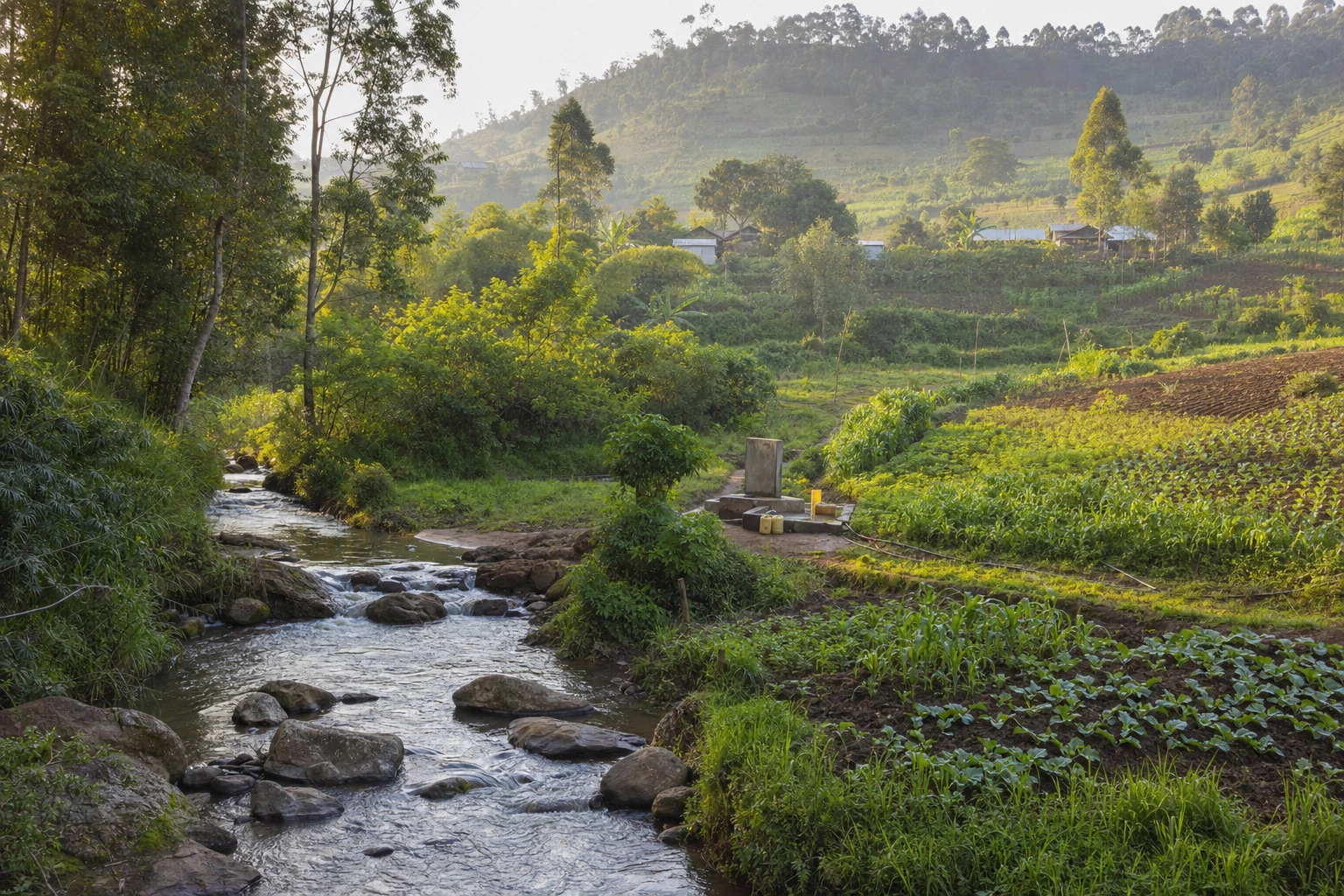
Natural resources are the materials, living systems and environmental conditions that people depend on to survive and prosper. They include water, soil, forests, wildlife, minerals, fisheries, sunlight, wind and clean air. Some are visible in everyday life, while others, such as fertile soil and functioning ecosystems, work quietly in the background.
The importance of natural resources is therefore much broader than the value of a forest, mine or river in isolation. Natural resources provide food, energy, materials, employment and income. They also regulate water, support biodiversity, reduce climate risks and contribute to cultural identity. Managing them well means meeting present needs without damaging the systems that future generations will rely on.
What Are Natural Resources?
A natural resource is something supplied by nature that people use directly or benefit from indirectly. A farmer may use soil, rainfall and water to grow crops. A construction company may use stone, sand, timber or metals. A household may depend on firewood, sunlight, groundwater or a stable climate.
Natural resources are often grouped into two broad categories:
- Renewable resources: Resources that can replenish naturally over time, such as sunlight, wind, forests, freshwater, fish and fertile soil. However, renewable does not mean unlimited. A forest can regenerate only if harvesting is slower than regrowth, and a fish population can decline if catches exceed reproduction.
- Non-renewable resources: Resources that form over geological periods and cannot be replaced within a human lifetime. These include coal, oil, natural gas and many mineral ores. Once extracted and used, their remaining supply becomes more limited.
Some resources are also described as natural capital. This term highlights that ecosystems provide valuable services, much as financial capital can support economic activity. A wetland can filter water and reduce flooding; a forest can protect soil, store carbon and support pollinators; and a healthy ocean can provide food and livelihoods.
Why Natural Resources Are Important
They support human life
Clean air, safe water, nutritious food and productive land are basic requirements for human health. Water is needed for drinking, sanitation, cooking, agriculture and industry. Soil allows crops to grow and supports vegetation used for food, livestock feed and medicine. Plants also help maintain oxygen and remove some pollutants from the atmosphere.
When these resources are degraded, the effects can appear in several areas at once. Contaminated water may increase health risks, reduce household productivity and impose treatment costs. Soil erosion can lower harvests, increase food expenses and damage roads or reservoirs when sediment is washed downstream.
They create livelihoods and economic value
Many livelihoods depend directly on nature. Farmers, pastoralists, fishers, forest users, tourism operators, miners and small-scale traders all rely on natural resources in different ways. Even businesses that do not work directly in these sectors depend on resources through supply chains. A food processor needs agricultural products, a restaurant needs water and food, and a manufacturer may need metals, energy or plant-based materials.
In Kenya and across Africa, natural resources support both formal businesses and informal economic activity. A community may earn income from livestock, beekeeping, fishing, ecotourism, tree nurseries or the sustainable harvesting of useful plants. These activities can strengthen local economies when access is fair and resources are managed for long-term productivity.
They provide essential ecosystem services
Ecosystems perform processes that people often take for granted. Forests can slow rainfall runoff, protect watersheds and provide habitat. Wetlands can store water and offer breeding grounds for fish and birds. Grasslands can support grazing animals and reduce soil erosion when they remain healthy. Mangroves can help protect coastal areas and provide nursery habitats for marine life.
These benefits are sometimes called ecosystem services. They include:
- Provisioning services: Food, freshwater, fuel, timber, fibres and medicinal materials.
- Regulating services: Flood control, pollination, soil protection, water purification and climate regulation.
- Cultural services: Recreation, tourism, education, spiritual meaning and cultural heritage.
- Supporting services: Soil formation, nutrient cycling and habitats that make other services possible.
They strengthen resilience
Healthy natural systems help communities cope with shocks. A diverse farm may be less vulnerable to the failure of one crop. A well-managed watershed may provide more reliable water during dry periods. Vegetation can reduce erosion after heavy rain, while coastal ecosystems may lessen the impact of storms.
Resilience does not mean avoiding every environmental or economic difficulty. It means retaining the capacity to absorb change, recover and continue meeting essential needs. Protecting natural resources is therefore also a form of risk management for households, businesses and public institutions.
What Happens When Natural Resources Are Poorly Managed?
Poor management occurs when resources are used without adequate knowledge, planning, accountability or consideration of long-term effects. It may involve overharvesting, pollution, illegal extraction, wasteful consumption, habitat destruction or decisions that benefit a few people while imposing costs on many others.
Common consequences include:
- Depletion: Water tables, forests, fish stocks or mineral deposits may decline when use exceeds available supply.
- Land degradation: Overgrazing, deforestation and unsuitable cultivation can remove vegetation and topsoil, reducing agricultural productivity.
- Pollution: Untreated waste, chemicals, oil and plastics can contaminate air, soil and water.
- Loss of biodiversity: Habitat destruction and unsustainable harvesting can reduce the number and variety of species.
- Economic insecurity: Businesses and households may face higher costs or lost income when resources become scarce or unreliable.
- Social conflict: Competition over land, water, grazing routes, forests or fishing grounds can increase tensions, especially where access rights are unclear.
The effects are rarely distributed equally. People with fewer financial resources may depend most heavily on nearby land, water, forests or fisheries and may have fewer alternatives when these resources decline. Responsible management must therefore consider both environmental limits and social justice.
The Principles of Natural Resource Management
Natural resource management is the planned and responsible use, protection, restoration and monitoring of natural resources. It brings together environmental knowledge, economic decision-making and the interests of affected communities.
Use resources within ecological limits
The first principle is to understand how quickly a resource can recover and how much pressure an ecosystem can withstand. For example, harvesting trees faster than they regenerate reduces future supply. Removing vegetation from steep slopes may also create erosion even if the immediate harvest appears profitable.
Good decisions ask not only, “How much can we take now?” but also, “What level of use allows the resource and the wider ecosystem to remain productive?”
Protect the quality of resources
Quantity alone is not enough. Water that is abundant but polluted is not a safe resource. Soil that remains in place but loses nutrients may no longer support good harvests. Management should therefore protect quality through pollution control, responsible chemical use, waste treatment, erosion prevention and careful land-use planning.
Balance environmental, economic and social needs
Sustainable management does not mean stopping all use. Communities need food, energy, housing, transport and employment. The challenge is to meet these needs while reducing unnecessary damage and ensuring that benefits and responsibilities are shared fairly.
For example, a proposed irrigation project may improve food production but also affect downstream water users, wetlands or grazing areas. A responsible assessment considers the full range of impacts, possible alternatives and ways to protect affected people and ecosystems.
Include local knowledge and participation
People who live and work in an area often possess detailed knowledge of seasons, soils, water sources, animal movements and changes in resource conditions. Their experience can improve planning, while their participation can make rules more practical and legitimate.
Participation should be meaningful rather than symbolic. Communities need understandable information, opportunities to raise concerns and a fair role in decisions that affect their livelihoods. This is particularly important where land or resource rights are shared or disputed.
Monitor, learn and adapt
Environmental conditions change, and management plans can contain uncertainty. Monitoring may involve measuring water quality, observing forest regeneration, recording catch levels, checking soil condition or tracking changes in land cover. The results should inform adjustments.
An adaptive approach avoids treating a management plan as permanent. If evidence shows that a practice is causing harm, it should be changed. If a restoration method is working, it may be expanded carefully.
Practical Approaches to Sustainable Resource Use
Water management
Water management includes protecting catchments, reducing leakage, harvesting rainwater where appropriate, treating wastewater and using water efficiently. Farms can improve efficiency through suitable irrigation schedules, mulching and soil practices that retain moisture. Businesses can audit water use, repair leaks and separate clean water from contaminated discharge.
At community level, protecting vegetation around rivers and springs can help maintain water quality. Planning should also recognise that upstream actions affect downstream users. A factory, farm or settlement should not shift its waste or water problems to another community.
Soil and land management
Healthy soil is maintained through practices such as crop rotation, adding organic matter, reducing unnecessary disturbance, keeping soil covered and controlling runoff. Terracing or contour-based cultivation may be useful on sloping land, depending on local conditions. Grazing management can help prevent pressure that leaves land bare.
Land management should match the activity to the landscape. Sensitive wetlands, steep slopes and riparian areas may require protection or limited use rather than intensive development.
Forest and biodiversity protection
Sustainable forestry involves controlled harvesting, regeneration, protection of valuable habitats and prevention of illegal extraction. Planting trees can help, but restoration is not simply a matter of planting as many trees as possible. The right species, location and ongoing care matter. Natural regeneration may sometimes be more suitable than planting.
Biodiversity protection also means maintaining habitats and reducing unnecessary disturbance. Farms, towns and businesses can support biodiversity by conserving native vegetation, protecting pollinator habitats and avoiding practices that introduce harmful invasive species.
Responsible extraction and circular use
Mining and quarrying can provide important materials and employment, but extraction changes landscapes and may affect water, soil and communities. Responsible operations require careful planning, safety controls, rehabilitation and transparent attention to environmental impacts.
For businesses and households, circular use means reducing waste, repairing products, reusing materials and recycling where suitable systems exist. The most effective approach is usually to avoid unnecessary consumption first, rather than relying only on disposal or recycling after a product has been used.
Applying This in Practice
Natural resource management becomes more useful when it is translated into specific decisions. A simple process can help an individual, organisation or community move from concern to action.
- Identify the resources involved. List the water, land, energy, materials, ecosystems and species connected to the activity.
- Assess dependence and risk. Ask which resources are essential, how reliable they are and what could happen if their quality or availability declines.
- Measure current use. Record water consumption, energy use, material waste, land condition or extraction levels where practical. A baseline makes improvement easier to judge.
- Find avoidable pressure. Look for leaks, waste, pollution, inefficient equipment, unnecessary clearing or practices that exceed the resource’s capacity to recover.
- Set priorities. Address the most serious risks first, particularly those affecting health, livelihoods, critical ecosystems or vulnerable groups.
- Choose workable actions. Actions might include repairing infrastructure, changing production methods, restoring vegetation, improving waste handling or agreeing clearer rules for shared resources.
- Monitor results and involve affected people. Review whether the action is improving resource condition and whether it creates unexpected costs or harms elsewhere.
Consider a small food-processing business that uses substantial water for cleaning. It could map where water enters and leaves the process, repair leaks, separate cleaning stages, use appropriate low-flow equipment and ensure wastewater is handled safely. The business may reduce operating costs while lowering pressure on local water sources. The same reasoning can be applied to a farm, school, construction site, office or household.
Individuals also have a role, although personal action cannot replace effective public planning and responsible business conduct. Choosing durable products, avoiding waste, using water carefully, supporting sustainable producers and participating in local conservation efforts can reinforce wider management systems. The greatest results usually come when households, enterprises, communities and authorities act together.
Key Takeaways
- Natural resources provide food, water, materials, livelihoods and essential ecosystem services.
- Renewable resources can still be depleted when use exceeds their ability to recover.
- Poor management can cause pollution, land degradation, biodiversity loss, economic insecurity and conflict.
- Effective management balances ecological limits with economic needs and social fairness.
- Local knowledge, participation and regular monitoring improve the quality of resource decisions.
- Practical action begins by identifying resource use, measuring pressure, reducing waste and adapting based on results.
No comments yet.