
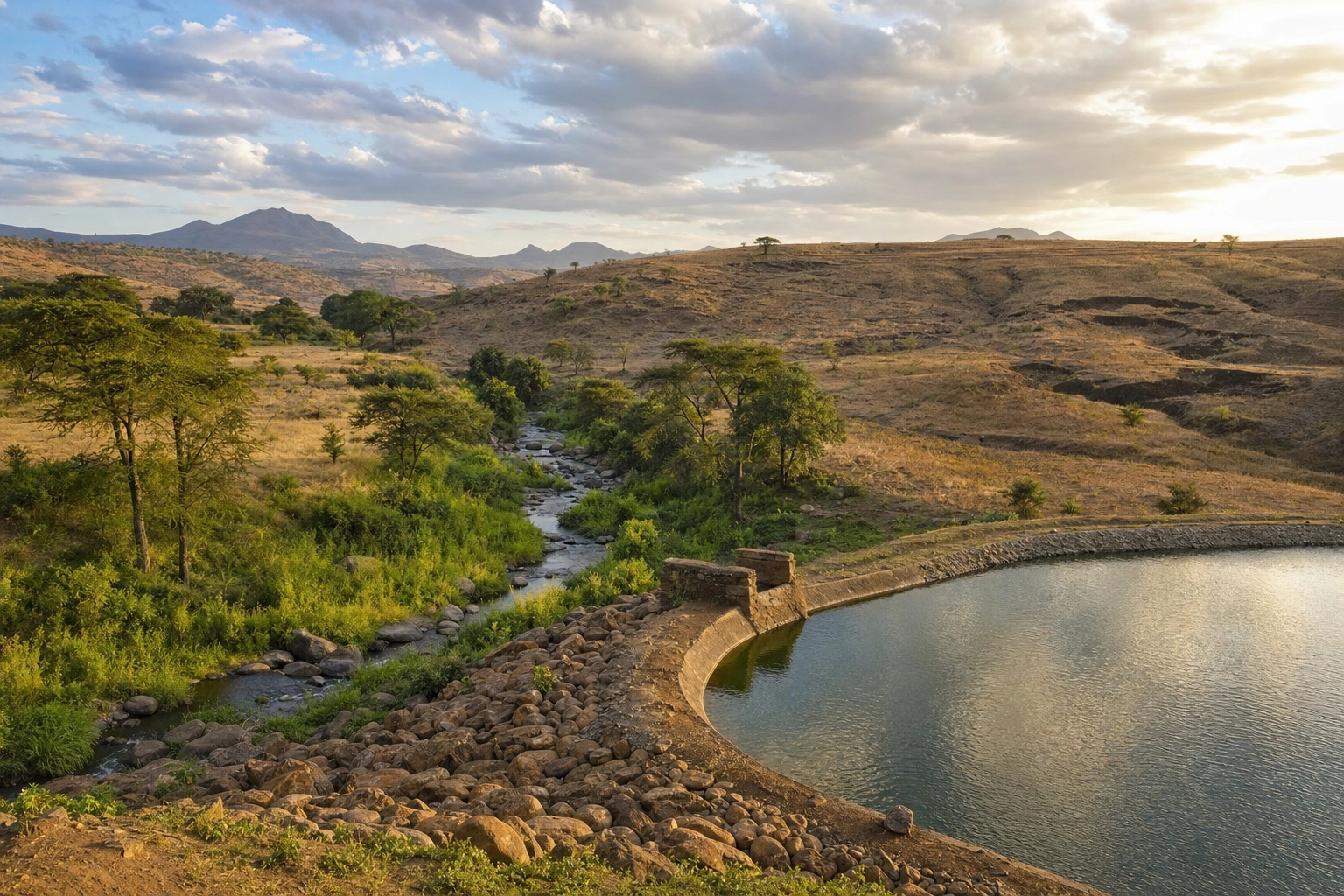
Natural resources are the materials and living systems that support human life and economic activity. They include freshwater, soil, forests, grasslands, fisheries, wildlife, minerals and the atmosphere. Climate change affects these resources by altering temperature, rainfall, drought patterns, storms, sea levels and the frequency of extreme events.
The effects are not limited to the natural environment. Farmers may face unreliable growing seasons, households may spend more time and money obtaining water, businesses may experience supply disruptions, and communities may compete over increasingly limited resources. Understanding these connections is essential for governments, organisations, entrepreneurs and individuals involved in natural resource management.
What Climate Change Changes in Natural Systems
Climate change influences natural resources through several connected processes. Rising temperatures increase evaporation from soil, lakes and reservoirs. Changing rainfall patterns can produce both longer dry periods and more intense rainfall. Heavy rain may cause floods and erosion rather than replenishing groundwater. Warmer oceans affect marine ecosystems, while rising sea levels can damage coastal wetlands, farms and freshwater sources.
These changes also interact with existing pressures such as deforestation, overgrazing, pollution, unplanned settlement and excessive extraction. A healthy forest may help regulate water flow during rainfall, but a cleared and compacted landscape is more likely to produce rapid runoff and flooding. Climate change can therefore magnify the consequences of poor resource management.
Effects on Water Resources
Water is one of the natural resources most directly affected by climate change. A changing climate can alter the timing, amount and reliability of rainfall. Some regions may experience more frequent droughts, while others may face heavier rainfall and flooding. Even where total annual rainfall changes little, a shift in when rain falls can create serious problems for farming, domestic supply and industry.
Reduced availability and reliability
Higher temperatures increase evaporation from dams, rivers, wetlands and soils. During prolonged dry periods, groundwater may be pumped more quickly than it is naturally replenished. Springs and seasonal rivers may become less reliable, particularly where vegetation has been removed or catchments have been degraded.
In parts of Kenya and other water-stressed areas of Africa, communities may need to travel further or depend more heavily on water storage, boreholes and water trucking during drought. These responses can provide short-term relief, but they do not replace long-term planning for catchment protection, efficient use and fair allocation.
Flooding and water quality
Intense rainfall can overwhelm drainage systems, erode riverbanks and carry soil, sewage, rubbish and chemicals into water sources. Floodwater may contaminate wells and increase the cost of treating water. Sediment washed into reservoirs can also reduce their storage capacity over time.
Effective water resource management therefore requires more than building larger reservoirs. It may include protecting wetlands, restoring riverbanks, improving urban drainage, reducing leaks, harvesting rainwater and monitoring groundwater extraction. Water users also need plans for both scarcity and sudden abundance.
Effects on Soil and Agriculture
Soil is a living resource that stores water, supports plant growth and cycles nutrients. Climate change can weaken these functions through drought, heat, intense rainfall and changing pest conditions.
Dry conditions can reduce soil moisture and make land more vulnerable to wind erosion. Heavy rainfall can wash away fertile topsoil, especially on bare or steeply sloping land. Repeated cultivation without sufficient organic matter may reduce soil structure, making it harder for the ground to absorb water. Heat and irregular seasons can also affect flowering, pollination and crop development.
Farmers may respond by changing planting dates, selecting drought-tolerant or locally suitable crops, diversifying production and improving water management. Practices such as mulching, cover cropping, composting, agroforestry, terracing and contour planting can help protect soil. These methods work best when adapted to local conditions rather than applied as a universal package.
Climate change also affects livestock systems. Reduced pasture growth can lead to overgrazing around remaining water points, while heat stress can affect animal health and productivity. Planned rotational grazing, fodder conservation, reliable water points and the management of grazing pressure can reduce these risks. In pastoral areas, access to seasonal movement routes and early information about drought can be especially important.
Effects on Forests and Grasslands
Forests and grasslands provide timber, fuel, food, medicines, fodder, soil protection, carbon storage and habitats for wildlife. They also influence local water cycles by slowing runoff, supporting infiltration and releasing moisture into the atmosphere.
Hotter and drier conditions can increase the risk of wildfires, tree mortality and forest degradation. When vegetation is already stressed by logging, charcoal production, invasive species or land clearing, its ability to recover may be reduced. In some areas, changing temperature and rainfall can also alter which species can survive or reproduce.
Grasslands may lose productivity during drought, placing pressure on livestock and wildlife. If intense rainfall follows a dry period, exposed soils may erode before vegetation has recovered. This can create a cycle in which declining vegetation leads to poorer soils, lower water retention and further loss of plant growth.
Good management combines protection with sustainable use. Measures may include community-led forest management, controlled grazing, fire-risk planning, restoration of degraded land, native tree planting and enforcement against illegal clearing. Restoration should focus on appropriate species and functioning ecosystems rather than simply planting trees without considering water availability, biodiversity or local land rights.
Effects on Fisheries and Marine Resources
Climate change affects freshwater and marine resources through warmer water, changing river flows, ocean warming, acidification and more frequent or intense storms. These changes can influence where fish live, when they reproduce and how much food is available in aquatic ecosystems.
Warmer water may reduce the suitability of some habitats for particular fish species. Changes in river flow can affect breeding grounds and the movement of fish between rivers, lakes and the sea. Coastal communities may also face damage to landing sites, mangroves and other infrastructure during storms or rising sea levels.
Fishing communities are often exposed to several pressures at once, including overfishing, pollution, habitat destruction and changing climate conditions. Sustainable management may require catch limits based on sound local information, protection of breeding areas, enforcement of fishing rules, restoration of mangroves and diversification of household incomes.
Mangroves, wetlands and seagrass areas are particularly valuable because they provide nursery habitats, reduce coastal erosion and support livelihoods. Protecting them can benefit both biodiversity and community resilience, although conservation decisions should involve the people who depend on these ecosystems.
Effects on Biodiversity and Ecosystem Services
Biodiversity refers to the variety of genes, species and ecosystems. Climate change can alter habitats and disturb the seasonal timing of natural events. Plants may flower earlier or later, animals may change their ranges, and species that depend on particular temperatures or food sources may struggle to adapt.
Species with small populations, specialised habitats or limited ability to move may be especially vulnerable. Fragmented landscapes make movement more difficult, while roads, farms and settlements can prevent species from reaching cooler or wetter areas. The loss of one species may also affect others through food webs, pollination, seed dispersal and disease relationships.
These ecological changes have practical consequences. Pollinators support many crops, wetlands help filter water and reduce floods, forests protect catchments, and healthy ecosystems can support tourism and cultural practices. When these ecosystem services decline, people may need to replace them with costly technical solutions, such as artificial water treatment or additional flood-control infrastructure.
Effects on Minerals and Energy Resources
Climate change does not make minerals disappear, but it can affect the conditions under which they are extracted, transported and used. Floods may damage roads, railways and mine infrastructure. Water scarcity can create conflict between mining operations, agriculture and household needs. Heat can increase risks for workers and affect equipment performance.
The transition towards lower-carbon energy may increase demand for certain minerals used in batteries, electrical systems and renewable energy technologies. This creates an important management challenge: reducing emissions should not mean ignoring water use, land disturbance, waste, worker safety or community rights. Responsible extraction requires environmental assessment, careful rehabilitation and transparent engagement with affected communities.
Energy systems themselves depend on natural resources. Hydropower may be affected by changing river flows, while thermal power plants require cooling water. Solar and wind systems reduce dependence on fuels but still require land, materials, maintenance and responsible end-of-life management. Planning should consider the full environmental footprint of each option.
Why Vulnerability Is Unequal
Climate change does not affect all people in the same way. Vulnerability depends on exposure, dependence on natural resources, income, infrastructure, access to information and the ability to adapt. A commercial operation may invest in storage and insurance, while a smallholder farmer may have fewer options after a failed harvest.
Women, children, older people, people with disabilities, low-income households and communities living in remote areas may face additional barriers, although vulnerability varies between places. For example, when water sources become distant, the time required to collect water may increase and reduce opportunities for education or paid work.
Fair natural resource management should therefore include local knowledge, accessible information and meaningful participation. Decisions about forests, grazing land, fisheries or water allocation are more likely to be workable when they recognise how different groups use resources and who bears the costs of change.
Managing Natural Resources in a Changing Climate
Climate-resilient resource management combines adaptation, conservation and, where possible, emissions reduction. It begins with understanding the resource, the people who depend on it and the risks that may change over time.
- Assess the resource and its pressures. Map water sources, soils, habitats, users and existing damage. Consider both climate risks and non-climate pressures such as pollution or over-extraction.
- Use monitoring and local knowledge. Track rainfall, river levels, groundwater, vegetation, crop performance and species changes. Local observations can help identify changes that formal monitoring may miss.
- Protect natural buffers. Wetlands, forests, mangroves, grasslands and healthy soils can reduce floods, erosion and water stress. Their protection is often more cost-effective than repairing damage later.
- Diversify systems. Farms, businesses and communities are less exposed when they are not dependent on one crop, one water source, one income stream or one supply route.
- Plan for uncertainty. Use flexible rules, early-warning systems, emergency supplies and review points. A management plan should be able to change when conditions or evidence change.
- Share benefits and responsibilities fairly. Resource users should understand the rules, participate in decisions and have practical ways to resolve disputes.
Applying This in Practice
Consider a small food-processing enterprise that depends on a reliable water supply. Its climate-aware resource plan might begin by identifying how much water is used for cleaning, processing and staff needs. The business could then repair leaks, reuse suitable water, install storage for rainwater and establish a drought procedure. It might also assess whether its suppliers face climate risks that could interrupt deliveries.
A farmer’s plan could involve testing soil condition, using mulch, maintaining ground cover, selecting suitable crops and recording rainfall and harvest results. A county or community plan might protect a catchment, restore riparian vegetation, regulate extraction and agree on procedures for periods of scarcity.
For any project, ask:
- Which natural resources does this activity depend on?
- What could drought, flooding, heat or storms change?
- Which groups are most exposed to the risk?
- What natural systems currently reduce the risk?
- Which actions can prevent damage, and which actions only respond after damage occurs?
- How will progress be measured and reviewed?
Key Takeaways
- Climate change affects the availability, quality, timing and distribution of natural resources.
- Water, soil, forests, grasslands, fisheries and biodiversity are connected, so damage in one system can increase pressure on others.
- Protecting wetlands, forests, mangroves and healthy soils can strengthen resilience while supporting essential ecosystem services.
- Climate-smart agriculture requires practices suited to local conditions, such as soil protection, water efficiency and diversified production.
- Resource management should combine monitoring, local knowledge, flexible planning and fair participation.
- Businesses and communities can reduce risk by identifying resource dependencies, diversifying supplies and preparing for both scarcity and extreme events.
No comments yet.