
Waste management is often treated as a matter of cleanliness: rubbish is collected, moved away and forgotten. In reality, the way waste is stored, collected, transported, treated and disposed of affects public health, local economies, ecosystems and the resilience of entire communities.
Poor waste management occurs when waste is dumped in open spaces, burned without controls, left uncollected, mixed in ways that make recovery difficult, or disposed of in facilities that cannot safely contain it. These failures may appear local, but their effects can spread through air, water, soil, food systems and household finances. Understanding these connections helps communities move from short-term clean-ups to lasting solutions.
What Poor Waste Management Looks Like
Waste management becomes ineffective when a community does not have reliable systems for the full waste cycle. This cycle includes reducing waste at the source, separating different materials, storing waste safely, collecting it regularly, transporting it appropriately, recovering useful materials and disposing of the remainder in a controlled manner.
Common examples include:
- Households placing mixed waste in uncovered piles or containers.
- Businesses dumping packaging, food waste or used materials in drains and undeveloped plots.
- Waste collection services operating irregularly or covering only some neighbourhoods.
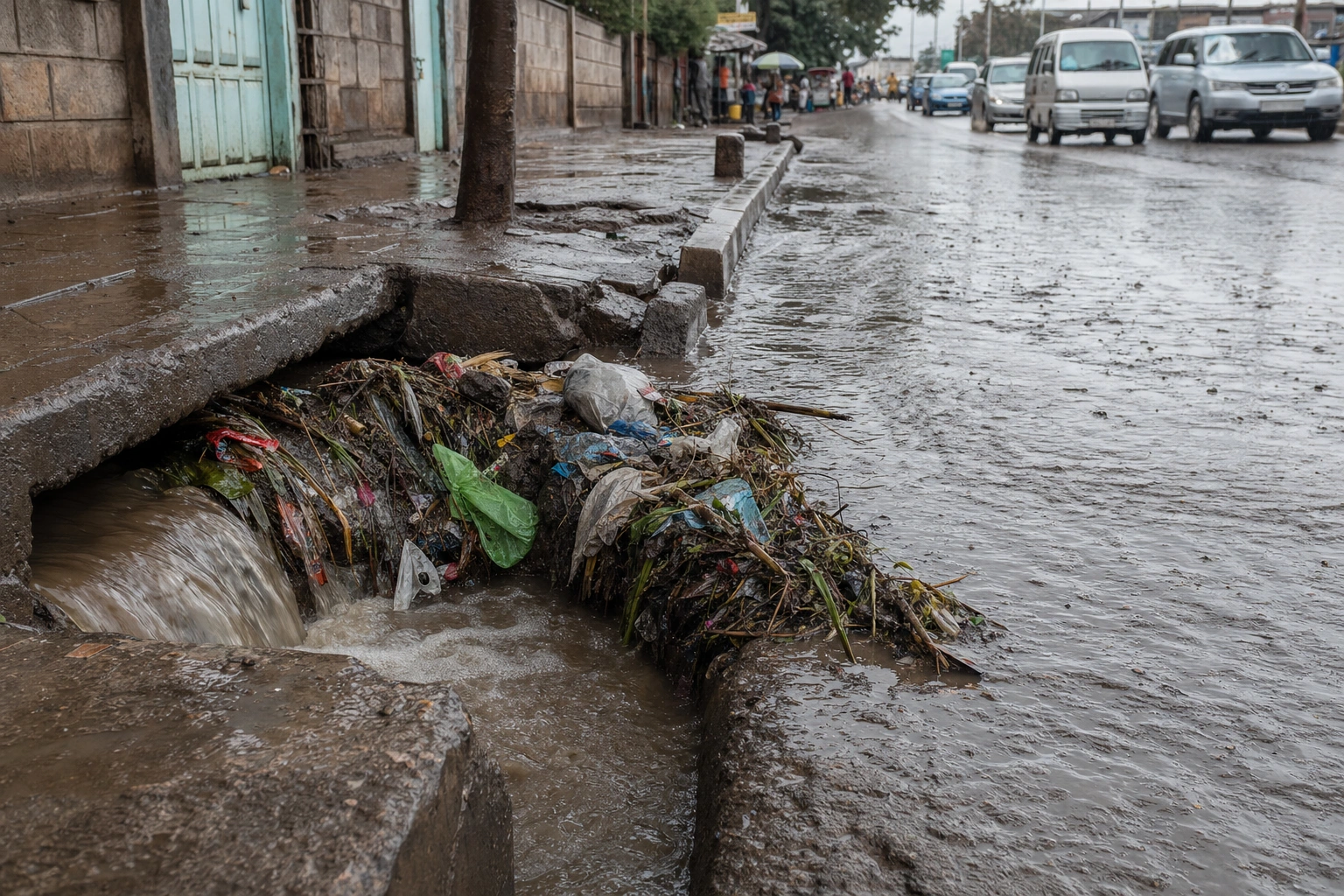
- Plastic bags, bottles and other materials blocking storm-water channels.
- Open burning of rubbish, including plastics and materials contaminated with chemicals.
- Informal disposal sites operating close to homes, schools, rivers or agricultural land.
- Hazardous items such as batteries, medical waste, oils or electronic components being mixed with ordinary household waste.
Each practice creates different risks. Organic waste can decompose and attract pests, while plastics can persist in the environment and fragment into smaller particles. Chemicals and hazardous materials may contaminate soil and water. When all these materials are mixed together, safe recycling, composting and recovery become more difficult and costly.
Effects on Public Health
One of the most direct effects of poor waste management is increased exposure to disease-causing organisms and harmful substances. Accumulated waste provides food and shelter for flies, rats, cockroaches and other pests. These pests can move between waste, food preparation areas and homes, increasing the likelihood of contamination.
Blocked drains and pools of dirty water can also create conditions in which disease-carrying mosquitoes multiply. The exact health risks vary according to local conditions, climate and the type of waste present, but neglected waste sites generally make it harder to maintain a healthy living environment.
Open burning creates another pathway of exposure. Smoke from burning waste can irritate the eyes, nose and throat and can worsen breathing problems. Burning plastics, treated materials or mixed rubbish may release additional pollutants. Children, older people and individuals with existing respiratory conditions can be particularly vulnerable to polluted air.
Waste workers and people who sort materials at informal sites may face cuts, infections and exposure to sharp objects, contaminated materials or hazardous substances. Without gloves, boots, masks, safe tools and appropriate training, routine work can become dangerous. Communities should recognise waste workers as essential service providers and support safer working conditions rather than treating waste handling as invisible labour.
Water and Soil Contamination
When waste is dumped on open ground, rainwater can pass through it and carry pollutants into the surrounding soil. This liquid, sometimes called leachate, may contain decomposing organic matter, oils, metals or other contaminants. If it reaches wells, streams, rivers or groundwater, it can affect water quality and make treatment more difficult.
Water contamination can occur far from the original dumping site. Waste discarded uphill or near a drainage channel may be carried downstream during heavy rain. A community may therefore experience polluted water even when the dumping is taking place elsewhere.
Soil can also lose quality when waste is repeatedly deposited on agricultural land or in open spaces. Some materials break down slowly, while others may release substances that harm soil organisms or reduce the safe use of the land. Livestock can ingest plastic bags and other waste while grazing, and farms near polluted water sources may face additional risks to crops and animals.
These impacts matter in both rural and urban areas. In a rapidly growing town in Kenya, for example, uncollected waste near a seasonal stream may be washed into downstream settlements during rains. In a rural area, discarded containers or farm chemicals may be left near water points used by households and livestock. The setting differs, but the underlying problem is the same: waste is being managed without considering its movement through the wider environment.
Flooding and Damage to Infrastructure
Waste can contribute to flooding when it blocks drains, culverts, gutters and waterways. Plastic packaging is particularly visible in these blockages, but food waste, soil, cloth and building debris can also reduce the capacity of drainage systems. When rain arrives, water cannot flow freely and may spill into roads, businesses, homes and public facilities.
Flooding can damage buildings, furniture, stock, roads and electrical systems. It can interrupt transport and prevent people from reaching work, markets, clinics or schools. Floodwater may also mix with sewage and other waste, creating additional health hazards during clean-up.
Cleaning blocked drains after heavy rain is more expensive and disruptive than preventing waste from entering them. This is why waste management is part of climate and disaster resilience, even though it is often planned as a separate municipal service. Communities that keep drainage routes clear are better prepared for intense rainfall and other weather-related pressures.
Air Pollution and Climate Impacts
Open burning is often used because it appears to offer a quick way to reduce the visible volume of waste. However, burning does not make the underlying problem disappear. It converts solid material into smoke, ash and gases, which can affect people nearby and settle on soil and surfaces.
Decomposing organic waste in oxygen-poor conditions can produce methane, a greenhouse gas. Poorly managed disposal sites may therefore contribute to climate change while also creating odours and local nuisance. Food scraps, garden waste and other biodegradable materials could often be managed through composting or other controlled processes instead of being mixed with general waste.
Waste also has an indirect climate impact. Producing new plastic, metal, paper and other goods requires energy and raw materials. When reusable or recyclable materials are thrown away, communities lose the opportunity to conserve those resources. Better waste management supports a circular approach in which products and materials remain useful for longer through repair, reuse, refurbishment, recycling or composting.
Economic Effects on Households and Businesses
Poor waste management creates costs that are rarely captured by the person who discarded the waste. Households may spend money cleaning flood damage, treating illnesses, buying drinking water or replacing items spoiled by pests and contamination. Businesses may lose customers when their surroundings smell bad or appear unsafe, and they may have to close temporarily after flooding or a fire caused by burning waste.
Municipal authorities also face higher costs when waste is allowed to accumulate. Removing large illegal dumps, clearing blocked drainage and responding to environmental complaints require equipment, labour and fuel. Emergency clean-ups may consume funds that could otherwise support regular collection, public education or better disposal facilities.
There are also lost economic opportunities. Paper, metals, glass, plastics and organic materials can have value when they are separated and handled properly. Waste pickers, repair workers, compost producers and recycling enterprises can contribute to local livelihoods. When waste is contaminated or burned, valuable materials are destroyed and workers face greater risks while trying to recover what remains.
Social Inequality and Community Wellbeing
The effects of poor waste management are not shared equally. Low-income neighbourhoods may have less frequent collection, fewer formal disposal options and less influence over decisions about waste facilities. People living beside dumpsites, industrial areas or polluted waterways may experience odours, pests and health risks that wealthier communities can avoid.
Children may be exposed while playing near waste or walking to school. Caregivers may spend additional time managing illness, finding water or cleaning affected homes. Waste workers and informal recyclers may receive the greatest exposure while earning the least protection. These patterns make waste management an issue of fairness as well as environmental protection.
Neglected public spaces can also affect community wellbeing. When residents see rubbish accumulating without action, trust in local institutions may decline. People may become less willing to pay for collection or participate in clean-up efforts if they believe collected waste will simply be dumped elsewhere. Reliable services, clear communication and accountable enforcement are therefore essential for building cooperation.
Why the Problem Persists
Poor waste management is rarely caused by one careless individual. It usually reflects several connected weaknesses: limited collection coverage, inadequate equipment, unclear responsibilities, poor urban planning, low public awareness, weak enforcement and insufficient funding.
Behaviour matters, but telling residents to “keep the area clean” is not enough when there are no affordable collection services or disposal points. Similarly, providing bins will not solve the problem if they are too few, not emptied regularly or placed where collection vehicles cannot reach them.
Effective systems match solutions to local conditions. A dense urban estate may need scheduled door-to-door collection and shared sorting points. A market may require daily removal of organic waste. A rural settlement may need community collection points and safe transport to a controlled disposal facility. The design should consider who generates the waste, how much is produced, which materials are present and what services can be maintained over time.
Practical Ways to Improve Waste Management
Reduce waste at the source
The most effective waste is often the waste that is never created. Households and businesses can avoid unnecessary packaging, choose durable products, repair items and use refillable containers where practical. Shops and offices can review purchasing decisions so that less disposable material enters the premises.
Separate materials early
Separating organic waste, recyclables, hazardous items and residual waste at the point of generation makes later handling safer and more efficient. Food and garden waste can be directed towards composting where suitable. Batteries, chemicals, oils, electronic equipment and medical materials should follow specialised handling arrangements rather than being placed in ordinary bins.
Make collection dependable
A collection service should have clear schedules, suitable vehicles, trained workers and a way for residents to report missed collections. Businesses can keep records of their waste contractors and confirm where waste is taken. Consistency matters because people are less likely to use formal services when collections are unpredictable.
Protect waterways and public spaces
Drains, rivers, wetlands and road reserves should not be used as disposal areas. Community monitoring, well-placed bins, visible signage and prompt removal of illegal dumping can help. Clean-up campaigns are useful for restoring a site, but they work best when paired with prevention and ongoing maintenance.
Support safe recovery and disposal
Recycling and composting should be linked to safe working conditions and reliable markets for recovered materials. Waste that cannot be recovered needs controlled disposal that limits contact with people, animals, air and water. The appropriate facility depends on the waste type, local regulations and available technology, so hazardous waste should not be handled as ordinary rubbish.
Applying This in Practice
A household, office, school or small business can begin with a simple waste review:
- List the main types of waste produced during a normal week.
- Identify which items can be avoided, reused, repaired, composted or recycled.
- Check whether waste is stored in covered containers away from food and water.
- Find out who collects the waste and where it is taken.
- Separate hazardous items and ask the relevant local service or supplier about safe disposal.
- Track missed collections, overflowing bins, blocked drains or illegal dumping and report them through the appropriate local channel.
- Review the system after a month and adjust purchasing, storage or collection arrangements.
For community groups, the same process can be expanded into a neighbourhood plan. Residents can map dumping hotspots, identify drainage routes at risk of blockage, consult waste workers and agree on responsibilities. Schools and businesses can use their own waste records to reduce avoidable purchases and teach practical separation habits.
The goal is not simply to move waste out of sight. A successful system prevents harm, protects workers, recovers useful materials and ensures that the remaining waste is disposed of safely. Good waste management is therefore a shared service involving households, businesses, local authorities, manufacturers, community organisations and waste workers.
Key Takeaways
- Poor waste management can harm health through pests, contaminated water, smoke and unsafe working conditions.
- Dumped waste can block drainage systems, worsen flooding and damage homes, roads, businesses and public services.
- Waste pollution affects soil, rivers, groundwater, air quality, ecosystems and local livelihoods.
- Low-income communities and waste workers often carry a disproportionate share of the risks.
- Reducing waste, separating materials and using dependable collection services make recovery and safe disposal easier.
- Long-term improvement requires prevention, safe infrastructure, public cooperation and accountable local management.
No comments yet.