
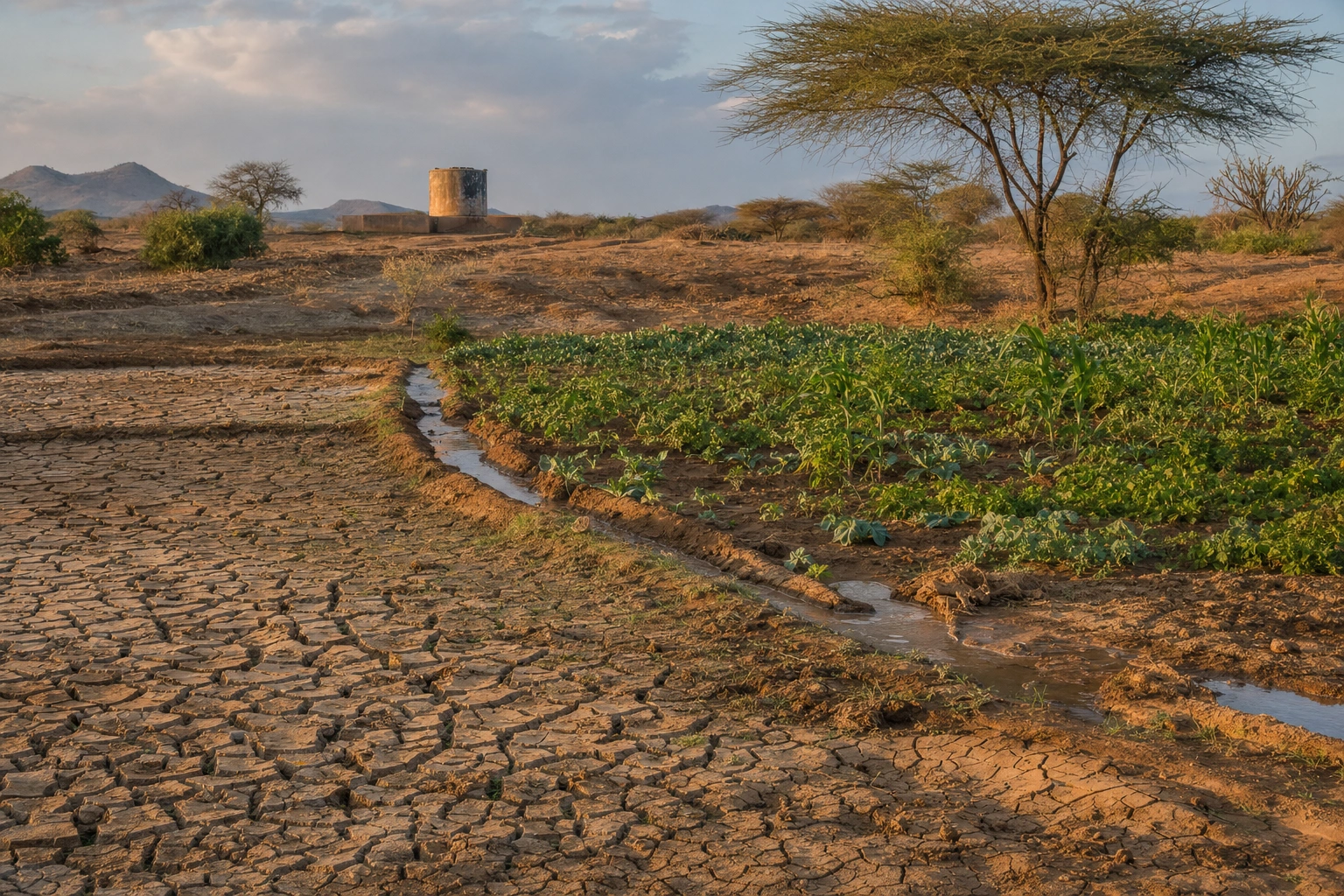
Climate change is already influencing daily life in Kenya. Changes in rainfall patterns, prolonged droughts, intense floods, rising temperatures, wildfires and pressure on water resources affect households, farmers, businesses, public services and ecosystems. These effects do not occur equally everywhere: a dryland pastoralist community, a coastal town, a highland farmer and a Nairobi-based enterprise may face different risks.
Understanding these effects is important because climate change is not only an environmental issue. It is also an economic, public-health, food-security and development issue. The decisions made by governments, organisations, communities and individuals can either increase vulnerability or improve resilience.
What climate change means in the Kenyan context
Climate change refers to long-term changes in average temperatures and weather patterns. Natural factors can influence climate, but the current warming trend is largely associated with human activities, especially the burning of coal, oil and gas, land-use change and the release of other heat-trapping gases.
Kenya contributes a relatively small share of global emissions compared with heavily industrialised economies, yet it is highly exposed to climate hazards. Much of the country’s economy and livelihoods depend directly or indirectly on rainfall, natural resources, agriculture, livestock, fisheries and tourism. When weather patterns become less predictable, the consequences can spread through food prices, employment, household income and public finances.
It is useful to distinguish between climate hazards and climate vulnerability. A drought, flood or heatwave is a hazard. Vulnerability describes how severely people, businesses or ecosystems are affected by that hazard. Limited savings, weak infrastructure, poor access to services, insecure housing and dependence on rain-fed production can make the same hazard more damaging for some groups than for others.
Changing rainfall and more frequent climate extremes
One of the most important effects of climate change in Kenya is increased uncertainty in rainfall. The timing, duration and intensity of rainfall can vary, making it harder for farmers and livestock keepers to plan. A season may begin late, rain may arrive in short intense bursts, or a long dry period may interrupt crop growth.
Climate change does not mean that every place will become permanently dry or that every year will be hotter and wetter in the same way. Instead, it can increase the likelihood of disruptive extremes. Kenya can experience severe drought in one period and damaging floods in another. These events may occur within the same broad region or affect different parts of the country at different times.
Heavy rainfall can overwhelm drainage systems, wash away roads and bridges, damage homes and trigger landslides in vulnerable areas. In towns and cities, blocked drainage, construction on floodplains and inadequate waste management can make flooding worse. In rural areas, intense rainfall can erode topsoil, destroy crops and carry sediment into rivers and dams.
Effects on agriculture and food security
Agriculture is highly sensitive to changes in rainfall and temperature. Smallholder farmers may lose crops when planting rains fail, when dry spells occur during critical growth stages or when excessive rainfall causes waterlogging and erosion. Reduced harvests can lower household income and increase the cost of food in local markets.
Maize, beans, vegetables, tea, coffee and other crops each have different climate requirements. Warmer conditions and changing moisture levels can affect yields, crop quality, pests and diseases. Farmers may also face higher costs for irrigation, seeds, feeds, veterinary care and pest management.
Pastoralists in arid and semi-arid counties are particularly exposed to drought because livestock depend on grazing and available water. Repeated drought can reduce pasture, weaken animals, increase livestock deaths and force families to travel farther in search of water and pasture. Conflict may become more likely where communities compete for limited resources, although conflict is shaped by many social, political and economic factors and is not caused by climate alone.
Climate stress can also affect food security beyond the farm. When roads are damaged or fuel and transport costs rise, moving food to markets becomes more difficult. Families may respond by reducing meal variety, selling productive assets, withdrawing children from school or taking on expensive debt. These coping strategies can create longer-term hardship.
Water resources under pressure
Climate change affects both the availability and reliability of water. Drought can reduce river flows, groundwater recharge and the volume of water stored in reservoirs. Higher temperatures can increase evaporation from soil, open water and crops. When demand remains high, households, farms, industries and ecosystems compete for a smaller or less dependable supply.
Flooding creates a different water problem. Floodwater can contaminate wells and other sources with sewage, chemicals, waste and disease-causing organisms. Damage to pipes, treatment facilities and roads can interrupt water services. Communities may therefore experience water scarcity during drought and unsafe water during floods.
Water stress can affect businesses in practical ways. Hotels, food processors, manufacturers, schools, health facilities and offices may face interruptions or higher operating costs. Enterprises that depend on reliable water should assess their sources, storage capacity, conservation practices and emergency arrangements.
Health impacts and vulnerable groups
Climate change can affect health through several pathways. Heat can cause dehydration, heat exhaustion and other health problems, particularly among outdoor workers, older people, young children and people with existing medical conditions. Hotter conditions can also make physical work more difficult and reduce productivity.
Floods and heavy rainfall can increase exposure to waterborne diseases when sanitation systems fail or drinking water is contaminated. Changing temperature and rainfall patterns may also influence the distribution and seasonal pattern of some disease-carrying insects. Health outcomes depend on local ecology, public-health systems, housing, sanitation and access to treatment, so climate change should not be treated as the sole cause of any particular outbreak.
Air quality can worsen when drought and high temperatures contribute to dust or wildfires. Smoke can irritate the eyes and lungs and create additional risks for people with respiratory conditions. Poor households may face greater exposure because they often live in less protected buildings, work outdoors or have fewer resources to relocate after a disaster.
Impacts on cities, infrastructure and the economy
Kenya’s growing towns and cities face a combination of heat, flooding, water stress and infrastructure damage. Large areas of concrete and tarmac absorb and retain heat, while limited shade and green space can make urban areas warmer than surrounding rural locations. Poor drainage and settlement in high-risk areas increase exposure to flooding.
Extreme weather can damage roads, bridges, electricity systems, buildings, schools, health facilities and communications networks. Disruption may prevent workers from reaching jobs, delay the delivery of goods and interrupt education and medical care. Businesses may lose stock, equipment, data, working hours and customers.
Climate-related losses are not limited to physical damage. A farmer who loses a harvest, a trader whose shop floods, or a family that spends more on water and healthcare has less money available for education, investment and other needs. Financial institutions and insurers also need to consider how changing hazards may affect lending, property values and risk management.
Wildlife, forests and coastal ecosystems
Kenya’s ecosystems support wildlife, tourism, water regulation, soil protection and local livelihoods. Changes in temperature and rainfall can alter habitats, food availability, breeding conditions and the timing of ecological events. Drought can weaken vegetation and increase pressure around water points, while floods can damage habitats and infrastructure.
Forests and rangelands can be degraded by drought, fire, pests, overgrazing and unsustainable land use. When vegetation cover is lost, soil erosion increases and landscapes become less able to absorb rainfall. Protecting and restoring these ecosystems can therefore support both biodiversity and human resilience.
Coastal areas face several connected risks, including coastal flooding, erosion, warmer marine conditions and pressure on fisheries and coral reef ecosystems. Communities that depend on fishing, tourism and coastal agriculture may experience changes in income and food supply. Development decisions near the shoreline can either reduce or increase future exposure.
Why climate impacts are unequal
The effects of climate change are shaped by location, income, occupation, age, health, gender, disability and access to services. A household with savings, insurance, secure housing and reliable transport may recover more quickly from a flood than a household living in an informal settlement with limited alternatives.
Women and girls may carry additional responsibilities when water becomes scarce or household income falls. Children may lose learning time after disasters or when families can no longer meet school-related costs. Older people and people with disabilities may face barriers during evacuation and recovery. Effective climate action should therefore include affected communities in planning and should measure success by who is protected, not only by the number of projects completed.
Adaptation: reducing harm from unavoidable risks
Adaptation means adjusting systems, practices and infrastructure to reduce the damage caused by current or expected climate impacts. In Kenya, useful adaptation measures vary by place and livelihood.
- Farmers can improve soil moisture through mulching, conservation agriculture, agroforestry, water harvesting and suitable crop choices. Diversifying crops and income sources can reduce dependence on one harvest.
- Pastoral communities can strengthen livestock management, protect grazing areas, improve water access and use reliable early-warning information to plan movement or destocking.
- County and municipal authorities can improve drainage, protect wetlands and waterways, maintain roads, enforce safer land-use planning and expand shaded green spaces.
- Households and enterprises can store water safely, protect important equipment, maintain emergency contacts and develop continuity plans for floods, droughts and power interruptions.
- Health systems can strengthen disease surveillance, public communication, emergency preparedness and services for heat-related illness and climate-sensitive health risks.
Early-warning systems are most useful when warnings lead to action. A forecast should be communicated in language people understand and linked to clear decisions, such as protecting livestock, moving equipment, opening evacuation routes or adjusting planting dates. Local knowledge and scientific information can complement each other when planning is participatory.
Mitigation: addressing the causes of climate change
Mitigation means reducing greenhouse-gas emissions or increasing the removal and storage of carbon. Kenya’s mitigation opportunities include expanding clean energy, improving energy efficiency, protecting forests, restoring degraded land, reducing waste and supporting lower-emission transport and production.
Renewable electricity can reduce reliance on fossil fuels when it is developed responsibly and supported by reliable grids and storage where needed. Businesses can reduce energy costs by maintaining equipment, improving building efficiency, using efficient lighting and monitoring energy consumption. Sustainable land management can protect carbon stored in vegetation and soils while supporting livelihoods.
Mitigation and adaptation often reinforce each other. Trees and restored landscapes can improve soil protection and water regulation while storing carbon. Efficient irrigation can reduce water and energy use. Well-designed public transport can lower emissions while improving access to jobs and services. However, projects should be assessed carefully so that climate benefits do not create new harms for communities or ecosystems.
Applying This in Practice
Individuals, entrepreneurs and organisations can begin with a simple climate-risk assessment:
- Identify hazards. Consider drought, flooding, heat, storms, fire, water shortages and supply disruptions relevant to your location and activities.
- Identify what is exposed. List people, buildings, equipment, stock, crops, livestock, data, suppliers and customers that could be affected.
- Assess weaknesses. Ask which systems would fail first and which groups would have the fewest alternatives.
- Prioritise practical actions. Start with measures that protect safety and essential services, such as drainage maintenance, water storage, shade, backup communication and secure records.
- Reduce emissions where possible. Review energy use, transport, waste, procurement and land practices, then set realistic improvements that can be monitored.
- Review the plan. Update it after extreme events, new information, changes in operations or feedback from affected people.
For example, a small food-processing enterprise might map its exposure to water shortages, install efficient fixtures, maintain a safe storage tank, diversify suppliers, protect digital and paper records, and improve energy efficiency. A farmer might combine seasonal forecasts with local observations, plant a mix of suitable crops, improve soil cover and keep an emergency plan for livestock. These actions do not remove all risk, but they can reduce disruption and improve recovery.
Key Takeaways
- Climate change in Kenya is increasing pressure from changing rainfall, droughts, floods, heat and other climate hazards.
- Agriculture, livestock, water supplies, health, infrastructure, wildlife and coastal livelihoods are closely connected to climate conditions.
- The same hazard affects people differently depending on income, location, housing, occupation, health and access to services.
- Adaptation measures such as water harvesting, ecosystem protection, early warnings, safer planning and resilient infrastructure can reduce harm.
- Mitigation includes clean energy, energy efficiency, sustainable land management, forest protection and lower-emission transport and production.
- A practical climate plan begins by identifying hazards, exposed assets, weaknesses, priority actions and ways to monitor progress.
No comments yet.