
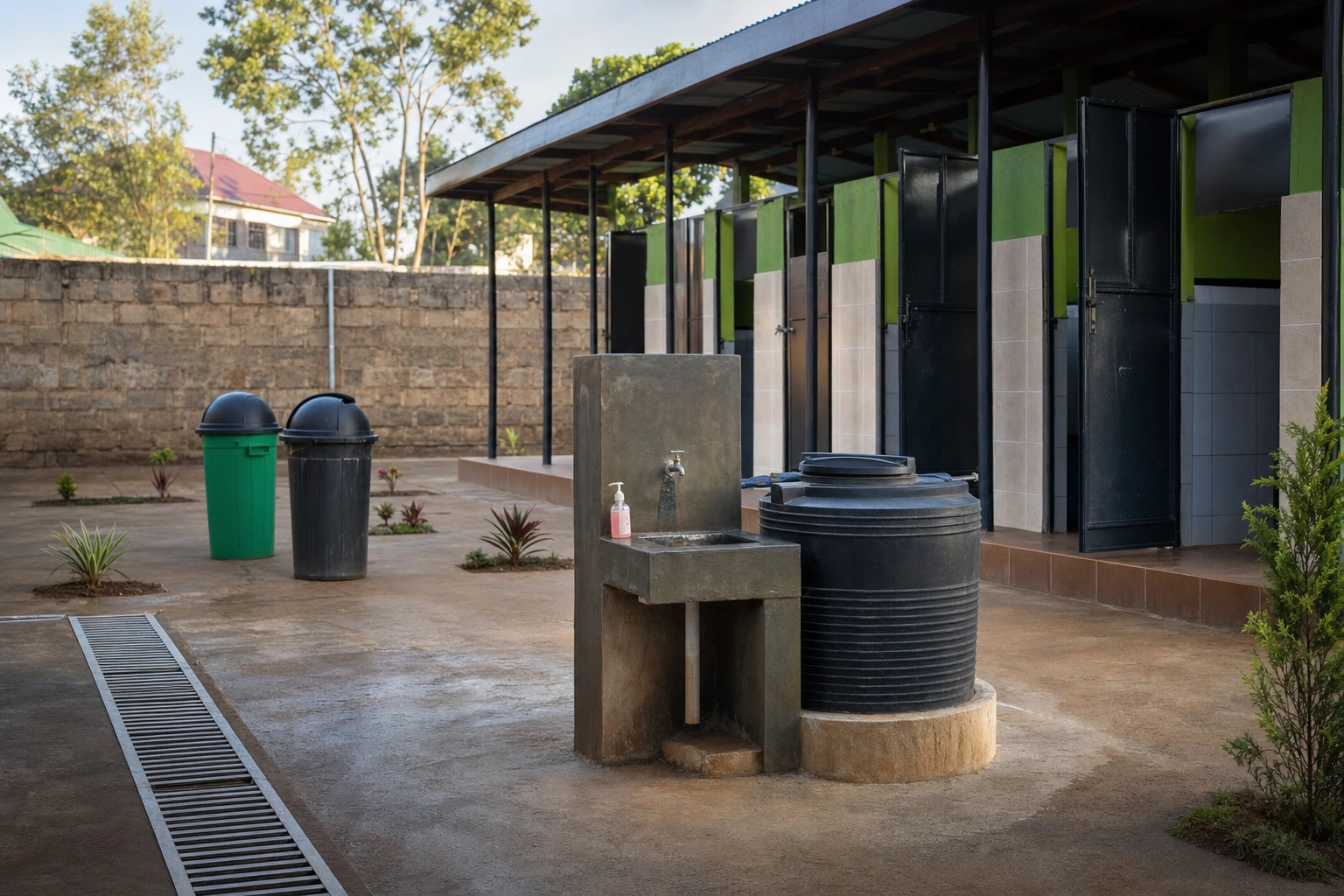
Sanitation is one of the most important foundations of disease prevention. It includes the safe collection, containment, treatment and disposal of human excreta, wastewater and solid waste. It also involves keeping living, working and public environments free from conditions that allow disease-causing organisms to spread.
When sanitation is poor, faecal matter can contaminate hands, food, water, soil and household surfaces. Flies, contaminated water, unsafe drainage and inadequate waste disposal can then carry infectious organisms to other people. Good sanitation breaks these pathways and protects individuals, families, businesses and entire communities.
What Sanitation Means
Sanitation is sometimes used as a general word for cleanliness, but it has a more specific public-health meaning. It concerns the systems and behaviours used to manage waste safely from the point where it is produced to its final treatment or disposal.
Important parts of sanitation include:
- Safe excreta management: Toilets and latrines should prevent human waste from contaminating people, water sources and the surrounding soil.
- Wastewater management: Water from toilets, kitchens, bathrooms and businesses should be safely drained, treated or disposed of.
- Solid-waste management: Rubbish should be stored, collected, transported and disposed of in ways that do not attract pests or pollute the environment.
- Drainage: Rainwater and other runoff should be directed away from homes, paths and public spaces to reduce flooding and stagnant water.
- Environmental cleanliness: Shared spaces, markets, schools, workplaces and health facilities need regular cleaning and responsible waste handling.
Sanitation is closely connected to hygiene and water, but the three are not identical. Water, sanitation and hygiene are often considered together because each supports the others. Water provides a means for drinking, cleaning and handwashing. Sanitation safely manages waste. Hygiene refers to personal and household practices such as washing hands, cleaning food-preparation areas and handling nappies safely.
How Poor Sanitation Causes Disease
The main danger of poor sanitation is the movement of pathogens from faeces or other waste into the human body. This can happen through several routes. A person may touch a contaminated surface and then eat without washing their hands. Rain may wash waste into a river, shallow well or borehole area. Flies may move between faecal matter and uncovered food. Children may play in contaminated soil and put dirty fingers or objects into their mouths.
This chain is sometimes described as the faecal–oral route. It does not mean that disease spreads only through direct contact with faeces. It means that organisms from faecal matter can reach another person through water, food, hands, objects, insects or the environment.
Poor sanitation can contribute to the spread of:
- Diarrhoeal diseases, which may lead to dehydration, weakness and serious illness, especially in young children, older adults and people with weakened immunity.
- Cholera, which can spread rapidly where drinking water and food become contaminated with the bacterium that causes the disease.
- Intestinal worm infections, when eggs or larvae in contaminated soil, water or food enter the body.
- Typhoid and other enteric infections, which may spread when food or water is contaminated.
- Some skin and eye infections, where poor water access, dirty surroundings or inadequate personal hygiene make transmission easier.
The effect is not limited to infection. Repeated illness can cause people to miss school or work, spend money on treatment and lose income. Children who experience repeated intestinal infections or other sanitation-related illness may also face difficulties maintaining adequate nutrition and wellbeing. These effects can be particularly serious in households already dealing with poverty, overcrowding or limited access to healthcare.
Toilets and Safe Excreta Disposal
A safe toilet or latrine does more than provide privacy. It separates human waste from people and the environment. A well-designed facility should reduce the risk of contact with faeces, prevent contamination of nearby water and soil, and be maintained so that people can use it consistently.
Different settings require different solutions. In some rural areas, a properly sited and maintained pit latrine may be appropriate. In urban areas, sewer connections, septic systems or managed shared facilities may be used. The correct option depends on factors such as soil conditions, groundwater levels, flooding risk, population density, maintenance capacity and local regulations.
Regardless of the technology, several principles are important:
- Place sanitation facilities away from wells, springs, rivers and other water sources, taking local environmental conditions into account.
- Keep pits, tanks and containment systems secure and prevent overflow.
- Provide a handwashing point near the toilet, with water and a cleaning agent such as soap or suitable ash where appropriate.
- Clean the facility regularly, especially surfaces that are frequently touched.
- Arrange safe emptying, transport and treatment of faecal sludge where pits or septic tanks are used.
- Design facilities so that children, older people and people with disabilities can use them safely.
Open defecation creates multiple opportunities for contamination. Waste left in fields, paths, drainage channels or near water sources can be carried by rain, animals, insects and people. Ending this practice requires more than telling people to change. Communities need facilities that are affordable, accessible, private, safe and suitable for local conditions.
Water, Food and Handwashing
Sanitation works best when combined with safe water and hygiene practices. A household may have a toilet, for example, but still face illness if people cannot wash their hands after using it or before preparing food.
Handwashing is especially important after using the toilet, cleaning a child, handling animal or human waste, and before preparing or eating food. Hands should be wet, rubbed with soap, rinsed with clean running water and dried where possible. When soap and water are temporarily unavailable, an appropriate alcohol-based hand sanitiser can be useful for many everyday situations, although it does not replace washing when hands are visibly dirty and may not be suitable for every type of contamination.
Food safety also depends on sanitation. Food should be protected from flies, dirty hands, contaminated surfaces and unsafe water. Raw and cooked foods should be kept separate where possible, and utensils and preparation areas should be cleaned. Perishable food needs safe storage and should not be left in conditions that allow harmful organisms to multiply.
Water collected from a source that may be contaminated should be treated using a reliable method suitable for the local context. Treatment alone is not enough if water is stored in dirty or uncovered containers. Containers should be cleaned, covered and handled in a way that prevents hands or unclean utensils from contaminating the water again.
Waste, Drainage and Disease Vectors
Uncollected rubbish can attract flies, cockroaches, rats and other pests. These animals may carry organisms from waste to food, utensils and household surfaces. Waste that blocks drainage channels can also contribute to flooding, which may spread sewage and contaminate water sources.
Good waste management begins with reducing unnecessary waste and storing what remains in covered containers. Waste should be separated where practical, collected regularly and disposed of through approved systems. Sharp objects, medical waste, chemicals and other hazardous materials require special handling and should not simply be mixed with ordinary household rubbish.
Drainage is equally important. Standing water is commonly associated with mosquitoes, although mosquito control depends on the species and the type of breeding site. Clearing blocked drains, removing containers that collect rainwater and managing water storage can reduce suitable breeding places for some mosquitoes. However, sanitation should not be treated as a complete substitute for other disease-control measures such as bed nets, environmental management and professional public-health action.
In Kenyan towns and cities, heavy rainfall can expose weaknesses in drainage and waste collection, especially in densely populated neighbourhoods. A plastic bag or other rubbish may appear insignificant on its own, but many items can block a drainage channel and worsen local flooding. Household actions matter, but reliable collection services, safe infrastructure and accountable local management are also necessary.
Sanitation in Homes, Workplaces and Public Places
Sanitation responsibilities exist at several levels. At home, people can keep toilets clean, wash hands, protect drinking water, store rubbish safely and avoid pouring harmful waste into open drains. Landlords and property managers should maintain shared toilets, drainage and water systems rather than leaving these responsibilities entirely to tenants.
Workplaces need facilities that match the number of workers and the nature of the work. A food business should pay particular attention to clean water, toilets, handwashing, food-contact surfaces, waste storage and pest control. Offices, workshops, farms, schools and construction sites may have different risks, but each needs a practical system for toilets, waste and cleaning.
Public places require coordinated action. Markets, transport stations, schools and health facilities need enough toilets, reliable water, cleaning schedules and clearly assigned responsibilities. A facility that is built but not maintained cannot provide lasting protection. People are also more likely to use sanitation facilities when they are safe, accessible, well-lit where necessary and respectful of privacy and dignity.
Why Sanitation Requires Community Action
One household cannot fully protect itself if nearby waste is unmanaged or a shared water source is contaminated. Sanitation has a community dimension because water, drainage, streets, markets and public facilities connect people to one another.
Effective community action may involve mapping areas where waste accumulates, identifying blocked drains, agreeing on cleaning responsibilities and reporting damaged facilities. Local leaders, residents, businesses, schools, health workers and public authorities each have a role. Solutions should include the people most affected, including women, children, older people and people with disabilities, because they may experience sanitation facilities differently.
Communication is also important during disease outbreaks or flooding. Health messages should explain what people need to do, why it matters and where they can obtain safe water, treatment supplies or medical help. Messages should be practical and adapted to local language, resources and living conditions. Blaming communities for structural problems is less effective than combining individual guidance with investment in reliable services.
Applying This in Practice
Individuals, families and small businesses can use the following process to identify sanitation risks:
- Inspect the environment. Look for overflowing toilets, leaking septic systems, open waste, blocked drains, stagnant water and uncovered food or water containers.
- Trace possible contamination routes. Ask whether rain, hands, insects, animals, utensils or wastewater could carry contamination from waste to food, water or frequently touched surfaces.
- Prioritise immediate risks. Address overflowing waste, unsafe drinking water, absent handwashing facilities and food contamination before less urgent improvements.
- Choose a realistic control. This may include repairing a toilet, covering a water container, providing soap, clearing a drain through an approved process or arranging regular waste collection.
- Assign responsibility. Decide who will clean, inspect, report faults or pay for maintenance. A plan without ownership is unlikely to last.
- Review the system. Check after rain, during busy periods and whenever illness increases in the household or workplace.
Sanitation improvements should not replace medical care. Anyone with severe diarrhoea, signs of dehydration, persistent vomiting, high fever or other worrying symptoms should seek appropriate medical advice promptly. During a suspected outbreak, follow guidance from qualified health authorities and avoid spreading unverified information.
Key Takeaways
- Sanitation safely manages human waste, wastewater, rubbish and drainage to prevent contamination.
- Poor sanitation can spread disease through hands, food, water, soil, insects and contaminated surfaces.
- A toilet protects health only when it is safely located, regularly maintained and supported by handwashing.
- Safe water storage, food hygiene and handwashing strengthen the protection provided by sanitation.
- Covered waste containers, reliable collection and clear drainage reduce conditions that attract pests and spread contamination.
- Lasting sanitation depends on both personal practices and dependable community infrastructure.
No comments yet.