
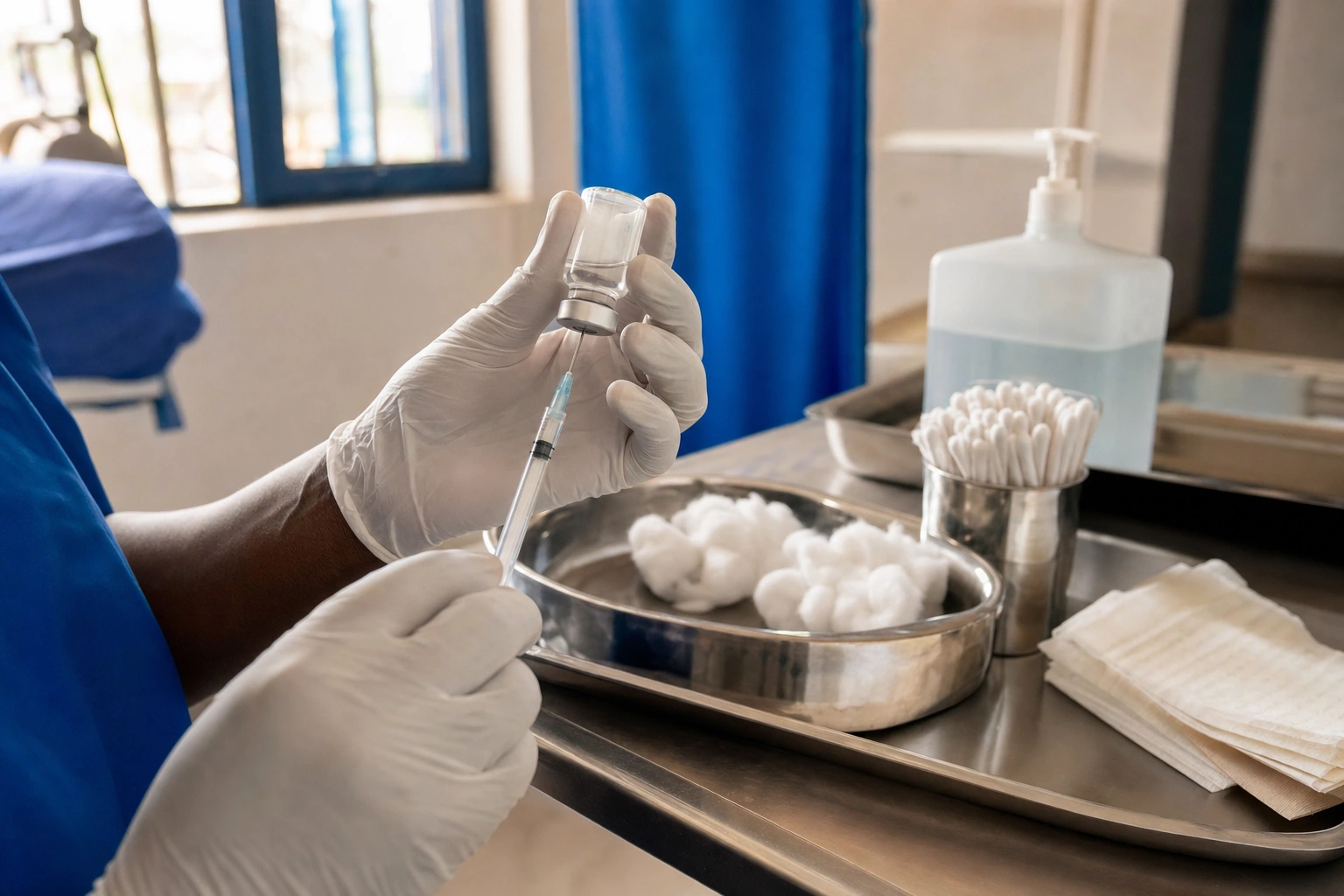
Vaccination helps the body prepare for specific infections before exposure occurs. By presenting the immune system with a safe form or component of a disease-causing organism, a vaccine enables the body to recognise the threat and respond more quickly in the future. This preparation can prevent illness altogether or reduce its severity.
Vaccines protect more than the person who receives them. When many people are immunised, infections have fewer opportunities to spread. This helps protect babies who are too young for some vaccines, people with certain medical conditions and others whose immune systems may not respond strongly to vaccination. Understanding how this protection works makes it easier to make informed health decisions and to use vaccination as part of a wider disease-prevention plan.
What vaccination does in the body
The immune system is the body's defence network. It identifies harmful organisms, such as viruses and bacteria, and produces responses to control them. One important part of this response is the production of antibodies and immune memory.
A vaccine introduces the immune system to a harmless form, weakened form, inactive form or selected component of a germ. Some newer vaccines use genetic instructions that help the body produce a harmless target for a short time. These approaches do not give a person the disease they are designed to prevent. Instead, they allow the immune system to practise recognising the infection without facing the full danger of the illness.
After vaccination, immune cells retain a memory of the target. If the person later encounters the actual germ, the immune system can respond more rapidly and effectively than it would during a first exposure. The response may prevent infection, reduce the amount of illness or lower the risk of serious complications.
How vaccines prevent disease
They reduce the risk of infection
Some vaccines provide strong protection against infection, although no vaccine protects every person in every situation. Protection can depend on the specific vaccine, the disease, the person's age, health and immune response, and whether the recommended doses have been received.
Even when infection is still possible, vaccination may make the infection less severe. This distinction is important: disease prevention does not always mean that exposure becomes impossible. It often means that the likelihood of serious illness, hospital treatment or long-term harm is substantially reduced.
They prevent complications
Many infectious diseases can cause more than temporary discomfort. They may lead to breathing problems, dehydration, damage to organs, disability or other complications. Some infections are particularly dangerous for infants, older adults, pregnant people or those living with chronic conditions.
Vaccination reduces the chance that an infection will progress to its most harmful forms. Preventing complications also reduces pressure on families, workplaces, schools and health facilities. A person who avoids severe illness may avoid medical costs, lost income and the need for prolonged care.
They interrupt transmission
Infections spread when susceptible people come into contact with an infected person or with contaminated food, water, surfaces or bodily fluids, depending on the disease. When vaccination reduces the number of susceptible people, a germ has fewer chances to move through a community.
This community effect is sometimes called community protection. It is not a complete barrier, and its strength varies by disease and vaccination coverage. However, high uptake can slow transmission and help reduce the size and duration of outbreaks.
Why community protection matters
Not everyone can receive every vaccine at every time. Some people may be too young for a particular vaccine, may have a serious allergy to a vaccine component or may have a medical condition that requires individual advice. Others may not develop a full immune response because of illness or treatment.
When most eligible people are vaccinated, the chance of an infectious disease reaching vulnerable individuals is reduced. This is especially important in settings where people live, work or study close together, such as schools, care homes, public transport networks, workplaces and urban communities.
For example, if a highly contagious infection enters a school, vaccination can reduce the number of students who are susceptible. This may limit the outbreak and reduce the risk of the infection reaching a child who is not yet eligible for vaccination or a family member receiving treatment that affects immunity.
Community protection depends on people receiving vaccines according to public-health recommendations. It is not a reason to assume that an unvaccinated person will always be protected by others. If coverage falls, diseases that had become uncommon can spread again.
Vaccination across different stages of life
Vaccination is often associated with childhood immunisation, but disease prevention can involve recommended vaccines throughout life. Children receive vaccines at particular ages because early protection may be needed before exposure to common or serious infections. Some vaccines require more than one dose to build or maintain protection.
Adolescents and adults may need additional doses, booster doses or vaccines related to age, occupation, travel, pregnancy, medical conditions or previous vaccination history. Health workers, for instance, may face occupational exposure to certain infections. Travellers may need advice based on their destination and activities. Adults may also discover that they missed vaccines earlier in life and may be able to catch up.
Older adults can face a greater risk of severe outcomes from some infections. Their vaccination needs should be discussed with a qualified health professional, particularly if they have conditions such as diabetes, heart disease, lung disease or a weakened immune system.
Recommendations differ between countries and can change as evidence, disease patterns and vaccine availability change. In Kenya, families can obtain guidance through public health facilities, private clinics and other qualified health providers. The safest approach is to use the current schedule and advice provided by the relevant health authorities or clinician rather than relying on an old card, social-media post or memory alone.
Why more than one dose may be needed
A vaccination schedule is designed to provide protection at appropriate times. Some vaccines need multiple primary doses because the immune system may require repeated exposure to build a strong response. A later booster can remind the immune system and help maintain protection when immunity decreases over time.
Missing a scheduled dose does not necessarily mean that the entire course must begin again. The correct action depends on the vaccine and the length of the delay. A health professional can review the person's record and recommend a catch-up plan.
Keeping an accurate vaccination record is therefore useful. Parents and adults should store paper records safely and follow any available digital or clinic-based record system. When moving, changing health facilities or travelling, a clear record helps a clinician decide which doses have already been given and which may still be needed.
Vaccine safety and common reactions
Vaccines, like medicines, are tested and monitored for safety. Most reactions are mild and temporary, such as soreness, redness or swelling at the injection site, tiredness or a low fever. These reactions usually reflect the immune system responding to the vaccine and settle without serious treatment.
Serious reactions are uncommon, but no medical intervention is completely free of risk. Vaccination services are expected to use procedures that reduce risk, and health workers can advise on what to expect. A person should seek urgent medical care for signs of a severe allergic reaction or any worrying symptoms after vaccination.
Before receiving a vaccine, tell the health worker about previous serious allergic reactions, current illness, pregnancy where relevant, immune-system problems, regular medicines and any earlier reaction to vaccination. This information helps the provider decide whether vaccination should proceed, be delayed or require additional advice.
It is also important to separate an event that happens after vaccination from an event caused by vaccination. Illnesses occur every day, so a symptom that appears afterwards is not automatically proof that the vaccine caused it. Health professionals and safety-monitoring systems assess such reports carefully.
Addressing common misunderstandings
“Vaccines cause the diseases they prevent.”
Vaccines are designed to stimulate protection without causing the full disease. Some may cause mild symptoms, but these are not the same as the potentially dangerous infection. The exact vaccine technology varies, so questions should be discussed with a qualified provider.
“Natural infection is always better.”
Natural infection can produce immune protection, but it does so at the cost of facing the disease and its possible complications. Vaccination aims to create immune memory with a much lower risk than getting the infection itself. Deliberately seeking infection is not a safe disease-prevention strategy.
“Healthy people do not need vaccines.”
Good nutrition, sleep and physical activity support general health, but they do not replace specific protection against infectious diseases. A healthy person can still become infected, experience complications or transmit the infection to someone more vulnerable.
“If a disease is uncommon, vaccination is no longer necessary.”
A disease may become uncommon precisely because vaccination has reduced its spread. If people stop receiving recommended vaccines, susceptibility can increase and outbreaks may return. The need for a vaccine depends on current guidance, disease risk and individual circumstances.
Vaccination works alongside other preventive measures
Vaccination is powerful, but it is not the only way to prevent disease. Depending on the infection, useful measures may include handwashing, safe food and water practices, ventilation, staying home when ill, using protective equipment at work, reducing mosquito exposure and seeking early medical care.
These measures work in different ways. Vaccination prepares the immune system, while hygiene and environmental controls reduce exposure. Combining them creates layers of protection. For example, a person may be vaccinated against a preventable respiratory infection while also improving indoor ventilation and avoiding close contact with others when experiencing symptoms.
Applying This in Practice
- Check your record. Review childhood, adolescent and adult vaccination records. If the record is incomplete, ask a clinic or health professional to assess what can be confirmed.
- Ask about your current needs. Discuss age, pregnancy, work, travel, medical conditions, medicines and previous reactions. These factors can affect recommendations.
- Follow the schedule. Attend appointments when doses are due. If you miss one, contact a health facility rather than abandoning the course or restarting it without advice.
- Prepare for the appointment. Take the vaccination record, list relevant medicines and mention allergies or recent illness. Ask what reactions are expected and when to seek help.
- Use reliable information. Compare claims with guidance from recognised public-health authorities and qualified health professionals. Be cautious about dramatic claims that provide no evidence or context.
- Protect others as well as yourself. Encourage eligible family members and colleagues to check their vaccination status, while respecting that individual medical decisions should be made with appropriate professional advice.
Key Takeaways
- Vaccines train the immune system to recognise specific infections before exposure occurs.
- Vaccination can prevent infection, reduce disease severity and lower the risk of serious complications.
- High vaccination coverage can slow transmission and help protect people who cannot be vaccinated or may respond weakly.
- Some vaccines require several doses or boosters, so keeping records and following the recommended schedule matters.
- Mild short-term reactions are common, while serious reactions are uncommon; report relevant medical history before vaccination.
- Vaccination works best as part of a wider prevention approach that includes hygiene, safe environments and prompt medical care.
No comments yet.