
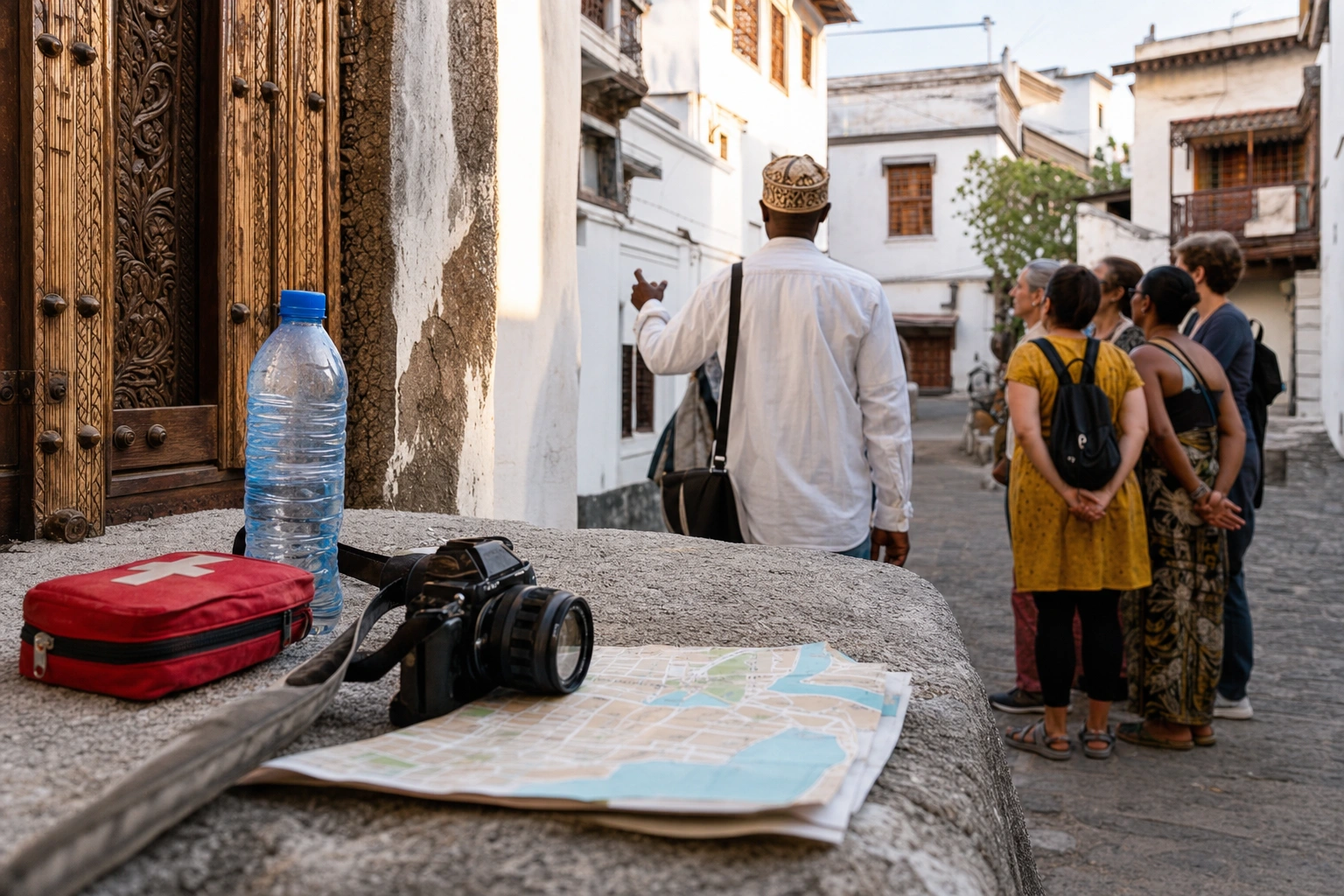
A professional tour guide is the link between visitors and the places they have travelled to experience. The guide interprets history, culture, nature and everyday life, while also helping guests move safely and comfortably through unfamiliar surroundings. In many cases, the quality of the guide’s work strongly influences how visitors remember a destination.
Tour guiding is therefore more than reciting information or pointing out landmarks. It combines communication, research, customer service, safety awareness, cultural sensitivity and practical organisation. Whether guiding visitors through Nairobi National Museum, the Maasai Mara, the historic streets of Mombasa or a city food tour in another part of the world, a professional guide must make knowledge meaningful and the experience well managed.
What Is a Professional Tour Guide?
A professional tour guide is a trained person who accompanies visitors and helps them understand, navigate and enjoy a destination, attraction or travel experience. Guides may work in museums, national parks, archaeological sites, cities, cultural villages, hotels, adventure companies or as independent operators.
The role can vary considerably. A city guide may explain architecture and local history while managing a walking route. A wildlife guide interprets animal behaviour, identifies plants and enforces safety procedures. A cultural guide may introduce visitors to local food, traditions, crafts or community activities. A mountain guide may need specialist knowledge of terrain, weather and emergency response.
Although some guides are employed by tour companies, others are freelancers who build their own businesses. Their work may involve designing itineraries, marketing services, responding to enquiries, arranging transport and collaborating with accommodation providers, museums, conservancies and community organisations.
The Main Roles of a Tour Guide
1. Interpreting a destination
Interpretation means helping visitors understand the meaning and significance of what they see. A guide does not simply state that a building was constructed in a particular year. A stronger explanation connects the building to the people, events, beliefs, economic activities or social changes that shaped it.
For example, when guiding visitors through Lamu Old Town, a guide may explain how architecture, trade, religion and coastal history influenced the settlement. The guide should present information accurately while showing how the different elements fit together. Good interpretation turns facts into a coherent story without distorting history or presenting assumptions as certainty.
2. Managing the visitor experience
Visitors rely on guides to make an experience clear and orderly. This includes welcoming the group, explaining the itinerary, checking timings, identifying meeting points and communicating changes. The guide also observes the group’s energy, interests and comfort.
A professional guide knows that travellers are not all alike. Some may want detailed historical explanations, while others may prefer photography, wildlife observation or opportunities to interact with local communities. Families may require a slower pace and frequent breaks. Older travellers or guests with disabilities may need route adjustments. Managing the experience means balancing the planned programme with the real needs of the people present.
3. Protecting visitor safety
Safety is one of the guide’s most important responsibilities. Before a tour begins, the guide should consider possible hazards, explain relevant rules and identify how the group will respond to an emergency. In a national park, this may include maintaining a safe distance from animals and remaining in the vehicle where required. On a walking tour, it may involve road awareness, suitable footwear, weather conditions and keeping the group together.
Safety does not mean creating unnecessary fear. It means anticipating risks and communicating practical precautions calmly. A guide should also know the limits of their competence. Specialist activities may require additional qualifications, equipment or support from trained professionals.
4. Representing the destination responsibly
Guides often become the visitor’s first direct contact with local residents and businesses. Their conduct can influence how guests view the destination and its people. Professional behaviour includes punctuality, respectful language, appropriate dress for the setting and honest communication about prices, customs and expectations.
A responsible guide avoids stereotypes and does not treat communities as entertainment. When visiting homes, markets, places of worship or cultural sites, the guide should explain appropriate behaviour and seek consent where photography or participation is involved. This protects the dignity of residents and supports more ethical tourism.
Essential Skills for Effective Tour Guiding
Communication and storytelling
Clear communication is central to guiding. A guide must speak audibly, organise ideas logically and use language that the group can understand. This is especially important when guests have different first languages or varying levels of subject knowledge.
Storytelling makes information easier to remember, but it should not replace accuracy. A useful story has a clear focus, relevant detail and a connection to the place being visited. The guide can use questions, comparisons and sensory observations to involve the group. For instance, rather than listing crops grown in a region, the guide might explain how a particular crop affects local meals, livelihoods and the appearance of the landscape.
Research and subject knowledge
Professional guides prepare beyond the basic information found in a brochure. They check dates, names, routes, conservation rules and current operating arrangements. They distinguish between documented evidence, local oral traditions and personal interpretation.
Research should also be continuous. A guide working in tourism may need to follow changes in park access, conservation practices, transport arrangements, weather conditions or community initiatives. Keeping notes, reading reliable publications and learning from local specialists can improve the quality of interpretation.
Observation and adaptability
A guide must pay attention to both the environment and the group. Guests may be tired, confused, unwell or uncomfortable without saying so directly. Weather may change, a road may be closed or an attraction may become unexpectedly crowded. The guide needs to adjust the plan while preserving the main purpose of the experience.
Adaptability does not mean abandoning preparation. It means using preparation as a foundation for sensible decisions. A well-organised guide may have an alternative route, indoor activity or revised schedule available when circumstances change.
Customer service and emotional intelligence
Tourists may be celebrating, anxious, jet-lagged or unfamiliar with local customs. A guide should listen attentively, respond courteously and avoid becoming defensive when concerns are raised. Emotional intelligence helps the guide recognise different personalities and manage disagreements before they affect the whole group.
Good service also includes accurate expectations. Promising an experience that cannot be delivered may produce disappointment even if the guide works hard. It is better to explain what is included, how long an activity will take and what conditions may affect it.
Language and intercultural competence
Additional language skills can expand a guide’s opportunities, but intercultural competence is equally important. The guide should understand that gestures, humour, personal space, food preferences and attitudes towards time may differ among visitors. This does not require treating every traveller according to a stereotype. It requires asking respectful questions and avoiding assumptions.
How a Professional Guide Prepares for a Tour
- Study the booking: Review the number of guests, ages, interests, languages, mobility needs, dietary concerns and special requests.
- Confirm the itinerary: Check opening hours, entry requirements, travel times, meeting points and any restrictions that could affect the plan.
- Assess risks: Consider roads, terrain, wildlife, weather, crowds, water, equipment and communication arrangements. Decide how risks will be reduced.
- Prepare the content: Select accurate information and organise it into a few clear themes rather than memorising a long list of disconnected facts.
- Prepare resources: Carry relevant permits, contact details, first-aid supplies where appropriate, water, weather protection, maps or approved interpretation materials.
- Brief the guests: At the beginning, explain the route, timing, safety rules, facilities, opportunities for questions and what guests should do if separated from the group.
- Review afterwards: Record questions that were difficult to answer, timing problems, guest feedback and improvements needed for the next tour.
This preparation process is useful for a solo guide as well as an employee of a large tour company. It reduces avoidable mistakes and creates a more consistent service.
Ethics and Responsible Tourism
Professional guiding carries ethical responsibilities because tourism can affect communities, wildlife, heritage and the environment. A guide should encourage visitors to follow site rules, avoid littering and respect restrictions on touching, feeding or removing natural and cultural objects.
In wildlife tourism, responsible guiding means prioritising animal welfare and visitor safety over dramatic sightings. A guide should not pressure drivers to approach animals inappropriately or encourage guests to ignore conservation rules for photographs. In cultural tourism, the guide should support informed and respectful interaction rather than presenting people as objects of curiosity.
Honesty is also essential. Guides should disclose additional costs, avoid misleading claims and distinguish personal opinions from established information. If a question cannot be answered confidently, saying so and offering to verify the information is more professional than inventing an answer.
Handling Difficult Situations
Even a carefully planned tour can present challenges. A guest may arrive late, become ill, lose an item or disagree with another participant. A transport delay may reduce the time available at an attraction. A guide’s response should be calm, factual and proportionate.
First, establish what has happened and whether anyone faces immediate danger. Next, communicate the available options clearly. If the issue affects the whole group, explain the change without blaming an individual. When necessary, contact the tour operator, emergency service, accommodation provider or site authority according to the established procedure.
Conflict management is easier when expectations were explained at the beginning. Clear meeting times, safety instructions and payment terms prevent many misunderstandings. Written confirmations are particularly useful for independent guides managing bookings through telephone, email or online platforms.
Building a Career or Business in Tour Guiding
A person entering tour guiding can begin by developing knowledge of a particular destination or niche. Possible areas include heritage, food, nature, photography, architecture, agriculture, faith-based travel or accessible tourism. Specialisation can help a guide stand out, provided the guide has genuine knowledge and the necessary competence.
Professional development may include first-aid training, language learning, public speaking, customer-service practice, conservation education and business skills. Depending on the activity and location, guides may also need to understand local licensing, park requirements or employer policies. Requirements differ, so prospective guides should verify current conditions with the relevant authorities or professional bodies rather than relying on informal advice.
An independent guide also needs basic business systems. These include a clear service description, transparent pricing, cancellation terms, reliable booking records and a method for collecting feedback. Partnerships with hotels, travel agencies, transport providers and community enterprises can create referrals, but agreements should be clear about responsibilities and payments.
Digital tools can support the business, but technology should serve the visitor rather than distract from the experience. A simple online profile, accurate location information and prompt responses may help guests find and assess a guide. During the tour, however, the guide should remain attentive to the group and the surroundings instead of spending unnecessary time on a phone.
Applying This in Practice
Imagine a guide leading a half-day heritage and food walk in Mombasa. Before the tour, the guide checks the group’s dietary restrictions, confirms the route and identifies shaded rest points. The guide researches the historical background of the sites and confirms which vendors have agreed to receive visitors.
At the start, the guide explains the walking distance, appropriate behaviour at religious or historic locations, photography etiquette and the meeting procedure if anyone falls behind. During the walk, the guide connects architecture and trade history with present-day food traditions, while allowing guests to ask questions and interact respectfully with vendors.
If heavy rain makes part of the route unsafe, the guide does not simply continue because the itinerary was advertised. Instead, the guide explains the risk, offers a suitable alternative and manages expectations about what can still be completed. Afterwards, the guide records the change, reviews guest feedback and updates future planning.
This example illustrates the complete role: preparation, interpretation, safety management, cultural respect, customer care and continuous improvement. The same principles apply to a safari drive, museum visit, mountain excursion or community-based tourism activity.
Key Takeaways
- A professional tour guide interprets a destination, manages the visitor experience and represents the destination responsibly.
- Effective guiding combines accurate research with clear communication, engaging storytelling and awareness of different visitor needs.
- Safety preparation includes identifying risks, explaining rules and knowing when specialist support is required.
- Ethical guides respect local communities, wildlife, heritage and the environment rather than prioritising entertainment at any cost.
- Good preparation involves checking the group, itinerary, resources, risks and practical arrangements before the tour begins.
- Independent guides strengthen their careers through continuous learning, transparent business systems, reliable partnerships and honest service.
No comments yet.