
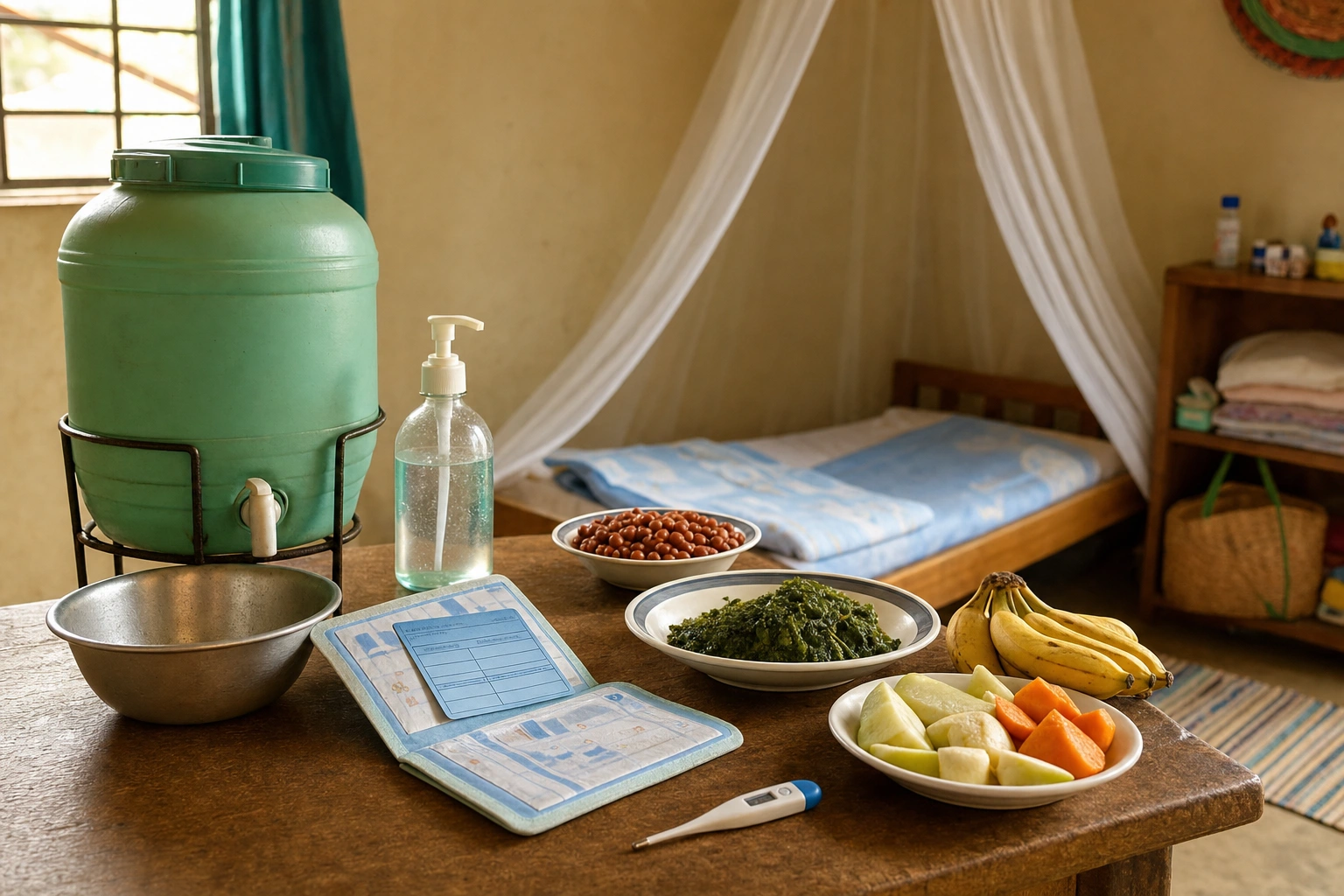
Many childhood illnesses can be prevented, reduced or detected early through everyday care and access to appropriate health services. Prevention does not mean that a child will never become ill; children naturally encounter infections as their immune systems develop. It means reducing avoidable risks, protecting children against serious disease and responding promptly when symptoms appear.
Good prevention begins before birth and continues through infancy, early childhood and school years. Immunisation, breastfeeding, adequate nutrition, clean surroundings, safe water, mosquito protection and regular health checks work together. Families should also know when home care is reasonable and when a child needs professional medical attention.
Start with Maternal and Newborn Health
A child’s health is influenced by the mother’s wellbeing during pregnancy and around delivery. Antenatal care gives health professionals opportunities to monitor pregnancy, identify complications, provide recommended supplements and discuss nutrition, infection prevention, birth planning and newborn care. Pregnant women should attend appointments at a health facility and follow advice about medicines, vaccinations and tests.
Skilled care during childbirth can reduce risks for both mother and baby. After delivery, early postnatal checks help identify problems such as difficulty breathing, infection, poor feeding or jaundice. A newborn who is unusually sleepy, cold, hot, unable to feed, breathing with difficulty or having convulsions needs urgent medical assessment.
Simple practices also matter immediately after birth. Keeping the baby warm, supporting early breastfeeding, maintaining clean hands and caring for the umbilical cord according to health-worker guidance can reduce preventable complications. Do not apply substances to the cord unless a qualified health professional has specifically recommended them.
Keep Immunisations Up to Date
Vaccination is one of the most effective ways to protect children from several serious infectious diseases. Vaccines prepare the immune system to recognise particular infections without causing the disease in the same way as an actual infection. They also help protect babies and children who are too young or medically unable to receive certain vaccines.
Follow the routine immunisation schedule used by your country or health facility. Keep the child’s clinic card safe and take it to every appointment. If a dose is delayed or missed, contact a health worker rather than abandoning the schedule. In many cases, a child can continue from where they stopped, but the correct plan depends on the vaccine and the child’s circumstances.
Parents sometimes worry about mild reactions such as soreness, a low fever or temporary irritability after vaccination. Ask the vaccinating health worker what to expect and how to provide comfort. Seek medical advice if a reaction is severe, unusual or worrying. Do not rely on social media claims when deciding whether to vaccinate; discuss concerns with a qualified health professional.
Support Breastfeeding and Appropriate Feeding
Breast milk provides important nutrition and immune protection during early life. Where possible, exclusive breastfeeding is generally recommended for the first six months, followed by continued breastfeeding alongside suitable complementary foods. A mother who is struggling with attachment, pain, milk supply concerns or feeding frequency should seek help from a trained health worker or breastfeeding counsellor.
From around six months, children need a variety of safe, nutrient-dense complementary foods because breast milk alone no longer provides all the energy and nutrients required for growth. Introduce foods gradually and continue breastfeeding where possible. Suitable meals may include mashed or soft vegetables, fruits, legumes, eggs, fish, meat, fortified foods or other locally available nutritious options. Increase texture and variety as the child grows, while avoiding choking hazards.
Food hygiene is essential. Wash hands before preparing food and feeding a child, use clean utensils, cook food thoroughly and store leftovers safely. Avoid giving honey to infants under one year because of the risk of infant botulism. Limit sugary drinks and highly processed snacks, which can displace more nutritious foods and contribute to dental problems.
Prevent Diarrhoeal Disease
Diarrhoea commonly spreads through contaminated hands, food or water. Families can reduce risk by using a reliable source of safe drinking water, storing water in covered containers, washing hands with soap and clean running water, using toilets or other safe sanitation facilities and disposing of children’s faeces safely.
Handwashing is particularly important after using the toilet or cleaning a child, before preparing food, before eating and before feeding a child. If soap is unavailable, a suitable alternative may help remove dirt, but soap and water are preferred. Caregivers should also keep feeding utensils clean and prevent animals from contaminating food-preparation areas.
If a child develops diarrhoea, continue breastfeeding and offer fluids. Oral rehydration solution can help replace water and salts lost through diarrhoea; prepare it exactly according to the instructions on the packet, using the correct amount of safe water. Do not guess the measurements or add extra sugar or salt. A health professional may recommend zinc or other treatment depending on the child’s age and condition. Avoid giving antibiotics or anti-diarrhoeal medicines without medical advice.
Reduce Respiratory Infections
Coughs and colds are common, but some respiratory infections can become severe, particularly in babies and children with poor nutrition or existing health conditions. Reduce exposure by avoiding tobacco smoke indoors, improving ventilation where possible and keeping a sick child away from crowded settings while they have a fever or feel unwell.
Teach children to cover coughs and sneezes with a tissue or the inside of the elbow, then wash their hands. Clean frequently touched surfaces when someone in the household is ill. Do not share cups, eating utensils or personal items that have been in contact with saliva.
Most uncomplicated colds do not require antibiotics. Antibiotics do not treat viral infections and unnecessary use can cause side effects and contribute to antimicrobial resistance. A health worker should assess a child whose breathing is fast or difficult, whose chest pulls in during breathing, who cannot drink or breastfeed, or who is becoming unusually sleepy.
Protect Children from Malaria and Insect-Borne Illness
In malaria-prone areas, prevention requires consistent protection and prompt assessment of fever. Sleeping under an insecticide-treated mosquito net is an important protective measure where such nets are recommended. Repair holes, ensure the net is properly tucked and use it every night. Reduce mosquito entry by using screens or closing doors and windows when appropriate, and follow local guidance on indoor spraying and other control measures.
A fever in a young child should not automatically be assumed to be malaria, but malaria can worsen quickly in areas where it occurs. Seek testing and treatment through an appropriate health facility or qualified provider, especially when fever is accompanied by chills, weakness, vomiting, confusion or difficulty breathing. Do not use leftover malaria medicines or share medicines between family members.
Build Healthy Habits and a Safe Home
Routine health checks can identify growth, nutrition, hearing, vision and developmental concerns early. Keep appointments for child welfare or clinic services, and discuss any concerns about feeding, sleep, speech, movement, behaviour or learning. A child who is not meeting expected milestones may need assessment, but development varies; professional guidance is more useful than comparing children with one another.
Preventing injuries is also part of child health. Store medicines, cleaning products, pesticides, paraffin and other chemicals out of reach and preferably locked away. Keep matches, sharp objects and small items away from young children. Use safe cooking arrangements, supervise children around water and avoid leaving babies alone on high surfaces. Check toys for loose parts that could cause choking.
Good nutrition supports immunity and growth. Offer regular meals and snacks containing a range of food groups, encourage safe drinking water and seek advice if a child is losing weight, has persistent poor appetite or appears unusually thin or weak. Children with long-term conditions may need an individual prevention and treatment plan.
Recognise Warning Signs Early
Prevention includes knowing when not to wait. Seek urgent medical care if a child has difficulty breathing, blue or grey lips, a seizure, severe dehydration, persistent vomiting, blood in stool, a stiff neck, a rapidly spreading rash, severe pain, confusion, unusual unresponsiveness or inability to drink or breastfeed.
Signs of dehydration can include very little urine, a dry mouth, sunken eyes, no tears when crying, extreme weakness or unusual sleepiness. Infants and young children can deteriorate faster than adults, so a caregiver should act promptly rather than waiting for several symptoms to appear.
For any child, trust your judgement if the illness is worsening or the child looks seriously unwell. Contact a health facility or emergency service appropriate to your location. Do not delay care because you are unsure of the diagnosis, and do not give prescription medicines without professional guidance.
Applying This in Practice
A practical prevention routine can be built around a few repeatable checks:
- Review clinic care: confirm that immunisations, growth monitoring and other recommended appointments are up to date.
- Check daily hygiene: make safe water, handwashing, clean food preparation and proper sanitation part of household routines.
- Protect feeding: support breastfeeding where possible, provide age-appropriate nutritious foods and supervise young children while eating.
- Reduce environmental risks: use mosquito protection, keep smoke away from children, ventilate rooms and store dangerous substances securely.
- Prepare for illness: keep the child’s health record accessible, know where to seek care and keep suitable oral rehydration supplies if advised locally.
- Observe changes: pay attention to breathing, drinking, urination, alertness, fever and general behaviour rather than relying on one symptom alone.
For example, a family in a malaria-prone rural area might combine nightly mosquito-net use, safe water storage, handwashing before meals, scheduled immunisation visits and early testing for fever. In an urban household, the same prevention principles apply, with additional attention to indoor smoke, crowding, food storage and safe medicine storage. The details may differ, but consistent habits and timely care remain central.
Key Takeaways
- Use antenatal, postnatal and child health services to identify risks early and support healthy development.
- Keep childhood immunisations up to date, and ask a health worker how to manage missed doses.
- Prevent infections through breastfeeding support, nutritious food, handwashing, safe water, sanitation and clean food preparation.
- Use mosquito protection consistently in malaria-prone areas, and seek testing for a child with fever.
- Avoid tobacco smoke, unnecessary antibiotics and medicines given without professional advice.
- Seek urgent care for breathing difficulty, severe dehydration, seizures, unusual unresponsiveness or any rapidly worsening illness.
No comments yet.