
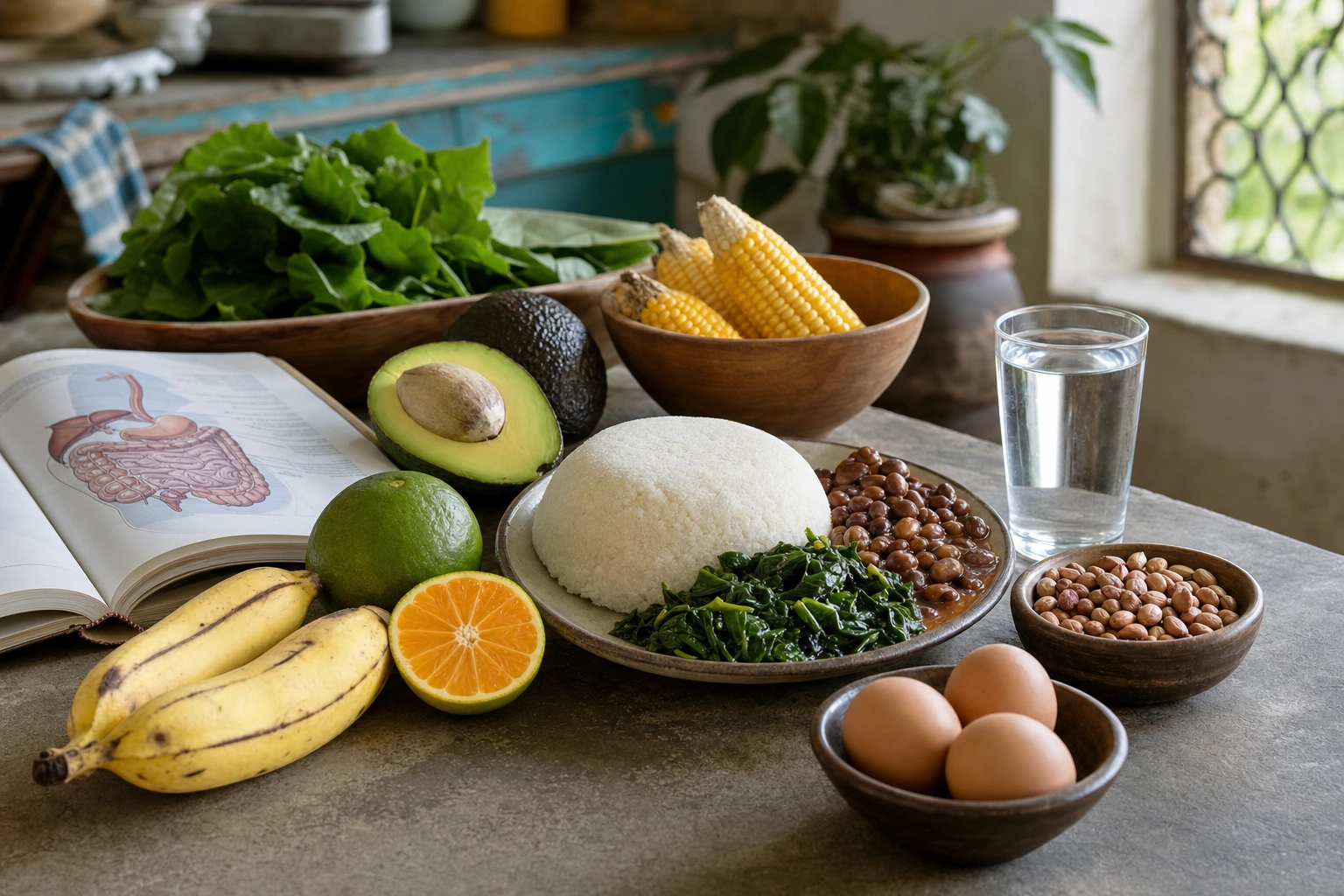
Every movement, thought and heartbeat requires energy. The body obtains that energy from food, but it cannot use a meal directly as fuel. Digestion breaks food into smaller substances, cells process those substances through chemical pathways, and the resulting energy is transferred into a usable form called adenosine triphosphate, or ATP.
Understanding this process helps explain why different foods affect energy differently, why regular meals can support concentration, and why the body stores some fuel for later use. It also shows why good nutrition is not only about counting calories: the body needs a balanced supply of carbohydrates, fats, proteins, vitamins, minerals and water to release and use energy effectively.
What “energy from food” means
Food contains chemical energy stored in the bonds between its molecules. When the body digests and processes food, some of this energy becomes available for cellular work. That work includes contracting muscles, maintaining body temperature, sending nerve signals, repairing tissues, transporting substances across cell membranes and supporting the immune system.
The commonly used unit for food energy is the kilocalorie, often shortened to calorie on food labels. A kilocalorie describes the amount of energy available from food, while ATP is the immediate energy currency used by cells. The two ideas are related but not identical: calories describe the energy content of food, whereas ATP powers specific activities inside cells.
The body is constantly balancing energy supply and demand. It may use nutrients immediately, store some for later, or convert one form of fuel into another. Energy needs vary according to body size, age, muscle mass, physical activity, illness, pregnancy and other individual factors.
Step 1: Digestion prepares food for absorption
Energy release begins in the digestive system. Chewing breaks food into smaller pieces and mixes it with saliva. In the stomach and small intestine, digestive juices and enzymes break carbohydrates, proteins and fats into absorbable components.
- Carbohydrates are broken into simple sugars, mainly glucose.
- Proteins are broken into amino acids.
- Fats are broken into fatty acids and other smaller molecules.
The small intestine absorbs most digested nutrients into the bloodstream or lymphatic system. From there, they are transported to tissues. Fibre is different: much of it is not digested in the small intestine. Some fibre is fermented by bacteria in the large intestine, producing substances that can support gut health and contribute a small amount of energy.
Digestion does not mean that every kilocalorie listed in a meal is used in exactly the same way. The amount absorbed can vary with the food’s structure, its fibre content, cooking, preparation and the individual’s digestive health.
Carbohydrates: a readily available fuel
Carbohydrates are often the most accessible source of energy for many daily activities. Foods such as maize, rice, potatoes, bread, millet, sorghum, beans, fruit and milk provide carbohydrates in different forms. During digestion, many carbohydrates become glucose, which can enter the bloodstream.
Blood glucose is carefully regulated. After a meal, glucose levels rise and the pancreas releases insulin. Insulin helps cells take up glucose and signals the liver and muscles to store some of it as glycogen. When blood glucose begins to fall, other hormonal signals encourage the body to release stored fuel.
Muscle cells use glucose during activity, particularly when exercise is intense or fast energy is needed. The brain also uses glucose as an important fuel under ordinary conditions. This does not mean that sugary foods are always the best energy choice. Whole or minimally processed carbohydrate foods often provide fibre, vitamins and minerals, and they may release glucose more gradually than drinks or foods high in added sugar.
Glycogen: short-term carbohydrate storage
The body stores a limited amount of carbohydrate as glycogen, mainly in the liver and skeletal muscles. Liver glycogen helps support blood glucose between meals. Muscle glycogen is used largely by the muscle that stores it during physical activity.
For example, a person preparing for a long cycle ride may rely partly on glycogen built from earlier meals. During prolonged activity, glycogen stores can become lower, which may contribute to fatigue. Eating enough carbohydrate before and, where appropriate, during extended exercise can help provide fuel, although requirements differ between activities and individuals.
Fats: concentrated and longer-lasting energy
Fats provide more energy per gram than carbohydrates or proteins. They are found in foods such as avocado, groundnuts, seeds, vegetable oils, fish, eggs and dairy products. Fat is digested into fatty acids and other components, which can be used by cells or stored in adipose tissue.
Fat is especially important as a substantial fuel source during rest and lower-intensity, longer-duration activity. It also helps form cell membranes, supports the production of certain hormones, protects organs and enables the absorption of vitamins A, D, E and K.
Body fat is not simply unused food. It is a normal energy reserve that can be mobilised when energy demand exceeds immediate supply. When stored fat is used, fatty acids travel to tissues and enter cellular pathways that produce ATP. This process generally supplies energy more slowly than the breakdown of stored carbohydrate, so the body uses a mixture of fuels rather than switching between completely separate systems.
The type of fat matters for overall health. Unsaturated fats from foods such as nuts, seeds, avocado, oily fish and many plant oils can be valuable parts of a balanced diet. Foods high in saturated fat can also be included in some diets, but frequent consumption of large amounts may make it harder to maintain a healthy dietary pattern. The focus should be on the whole diet rather than labelling one food as an instant source of energy or harm.
Protein: mainly a building material, but also a fuel
Protein is best known for building and repairing muscle, skin, enzymes, hormones and other body structures. Sources include beans, lentils, peas, eggs, milk, yoghurt, fish, poultry, meat, tofu and other soy products.
The body does not have a specialised storage depot for surplus protein. Amino acids from food may be used to make new proteins or other compounds. If energy from carbohydrate and fat is insufficient, or if protein intake is consistently higher than the body’s building needs, amino acids can be broken down for energy. Their nitrogen-containing part must be processed and removed, while the remaining carbon structure can enter energy-producing pathways or be converted for storage.
This is one reason protein should not be treated as the body’s preferred everyday fuel. Adequate carbohydrate and fat can help spare protein for tissue maintenance and repair. For an active person, a meal such as beans with ugali and vegetables, or fish with rice and greens, supplies a combination of energy, protein and micronutrients.
Inside the cell: how nutrients become ATP
Once nutrients reach cells, several linked chemical pathways release their stored energy. A simplified explanation begins with glucose. In the cell fluid, glucose is partly broken down into smaller molecules. These then enter the mitochondria, structures that carry out much of the aerobic energy process.
When oxygen is available, the products of carbohydrate breakdown can be processed further through the citric acid cycle and the electron transport chain. These stages transfer energy to produce ATP. Carbon dioxide is formed as a waste product and leaves the body through the lungs. Water is also produced and used or excreted.
Fatty acids can be broken into smaller units and fed into similar mitochondrial pathways. This process can generate substantial ATP, but it takes longer and depends on the body’s ability to transport and process the fat.
When energy is needed very quickly, cells can make ATP through pathways that do not rely immediately on oxygen. These pathways are useful during short, intense efforts such as sprinting or lifting a heavy object. They are limited and can produce substances associated with the burning sensation and fatigue that may occur during hard exercise. Aerobic and non-aerobic systems work together, with their relative contribution changing according to intensity and duration.
How the body decides which fuel to use
The body does not use only one nutrient at a time. At rest, it uses a mixture of fuels. After a meal, the availability of glucose and other nutrients influences fuel use. During fasting or between meals, stored glycogen and fat contribute more to energy supply. During exercise, the balance depends on intensity, duration, training status and recent food intake.
Hormones help coordinate these changes. Insulin generally supports nutrient storage and uptake after eating, while hormones such as glucagon help make stored fuel available when blood glucose needs support. The nervous system and adrenal hormones also respond to physical demand.
“Burning fat” therefore does not automatically mean losing body fat. Body-weight change over time is influenced by the overall balance between energy intake and energy expenditure, as well as water, glycogen, muscle and other factors. A person may use fat during one period and still store fat at another time. Sustainable health decisions require looking at patterns rather than interpreting one meal or one workout in isolation.
Why vitamins, minerals and water matter
Vitamins and minerals do not usually provide calories, but they help the body release and use energy. For example, several B vitamins participate in pathways that process carbohydrates, fats and proteins. Iron is needed for haemoglobin, which carries oxygen in the blood, while magnesium supports many cellular reactions. A shortage of a relevant nutrient can interfere with normal metabolism or contribute to tiredness, although fatigue has many possible causes.
Water is equally important. It forms part of blood, supports chemical reactions, helps regulate temperature and allows nutrients and waste products to move through the body. Sweating during hot weather or physical work increases fluid losses. In Kenya and other warm climates, people working outdoors, farming, playing sport or travelling may need to pay particular attention to drinking regularly and replacing fluids through meals and beverages.
Hydration needs are not identical for everyone. Thirst, urine colour, weather, activity level and medical conditions provide useful context, but people with kidney, heart or other health conditions should follow advice from a qualified clinician about fluid intake.
Food timing and steady energy
Energy levels are affected by more than the number of calories in a meal. A meal containing carbohydrate, protein, some healthy fat and fibre is often more satisfying and may support steadier energy than a highly refined, low-fibre snack eaten alone. For instance, yoghurt with fruit and groundnuts, or whole-grain bread with egg and tomato, combines several nutrients in one practical option.
Some adults prefer three meals a day, while others include planned snacks. There is no single schedule that suits everybody. The useful questions are whether the pattern provides enough nourishment, supports concentration and activity, fits work and family responsibilities, and avoids long periods of uncontrolled hunger. People with diabetes, those taking certain medicines, pregnant individuals and anyone with a medical condition may need personalised guidance on meal timing.
Applying This in Practice
- Build meals around a useful combination. Include a carbohydrate source for accessible energy, a protein source for repair and maintenance, vegetables or fruit for fibre and micronutrients, and a modest amount of healthy fat.
- Match food to the task. A person doing heavy physical work may need more total energy than someone sitting at a desk. Before demanding activity, a familiar carbohydrate-containing meal can be useful; after activity, combining protein and carbohydrate supports recovery.
- Choose everyday foods thoughtfully. Meals based on foods such as maize, beans, vegetables, fruit, eggs, fish, whole grains, milk, nuts and seeds can be adapted to local availability, budget and cultural preferences.
- Notice patterns rather than single foods. Record, for a few days, when you eat, how you feel during work or exercise, and whether thirst or hunger affects concentration. Use the pattern to make one realistic adjustment at a time.
- Seek professional advice when needed. Persistent fatigue, unexplained weight change, dizziness, digestive symptoms or concerns about diabetes and other conditions should be discussed with a qualified health professional rather than managed through supplements alone.
Key Takeaways
- Digestion breaks carbohydrates, fats and proteins into smaller substances that cells can process.
- ATP is the immediate form of energy used for movement, thinking, repair and other cellular work.
- Carbohydrates provide accessible fuel and are stored short-term as glycogen in the liver and muscles.
- Fat provides concentrated energy, supports important body functions and acts as a longer-term energy reserve.
- Protein primarily builds and repairs tissues, but it can be used for energy when necessary.
- Vitamins, minerals, water and a balanced meal pattern help the body release and use energy effectively.
No comments yet.