
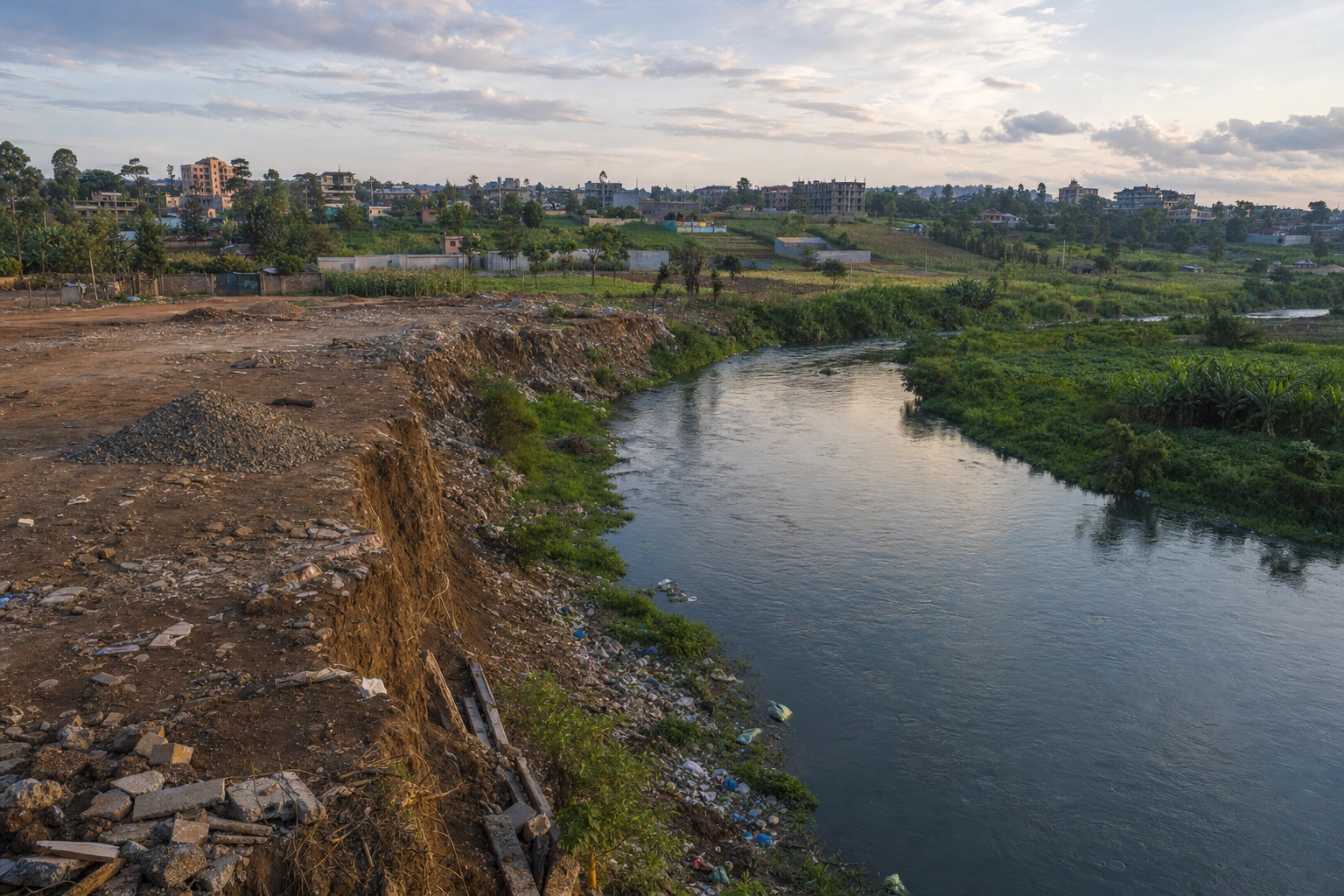
Environmental degradation occurs when the natural environment is damaged in ways that reduce the health, productivity or resilience of ecosystems. It can affect soil, water, air, forests, wetlands, grasslands, oceans and the species that depend on them. Although natural events such as droughts, floods and wildfires can alter ecosystems, many of today’s environmental pressures are intensified by human activities.
People depend on functioning ecosystems for food, clean water, breathable air, building materials, energy, medicine and protection from hazards. When forests are cleared, rivers polluted or land overused, the effects are not limited to plants and animals. Farmers may experience declining yields, towns may face water shortages, businesses may lose reliable natural resources, and households may become more vulnerable to disease and extreme weather. Understanding the causes of degradation is therefore an important step towards practical environmental conservation.
What Environmental Degradation Means
Environmental degradation is the deterioration of the natural environment through the depletion of resources, destruction of habitats, pollution or disruption of ecological processes. The damage may be local, such as waste blocking a drainage channel, or widespread, such as the loss of forest cover across a large landscape.
Degradation does not always mean that an ecosystem disappears completely. A wetland may remain visible but lose much of its ability to filter water and reduce flooding. A grazing area may still contain grass but support fewer animals because its soil has been compacted and eroded. A river may continue to flow while carrying sewage, plastics or industrial contaminants that make it unsafe for people and aquatic life.
A useful distinction is between resource use and resource depletion. People can use forests, water, soil and wildlife in ways that allow these resources to recover. Depletion occurs when extraction or disturbance is faster than nature’s ability to regenerate. Sustainable conservation aims to keep human use within the limits that ecosystems can tolerate.
Deforestation and Habitat Destruction
Deforestation happens when forests are cleared or substantially degraded. Land may be opened for farming, settlement, roads, mining, timber production or fuelwood. Forest degradation can also occur when repeated cutting removes valuable trees and leaves the ecosystem less capable of recovering.
Forests provide habitats for wildlife, store carbon, protect soil, regulate water movement and contribute to local livelihoods. When trees are removed from steep slopes, rainfall can wash soil into rivers and reservoirs. The loss of roots also makes the ground less stable. In catchment areas, reduced vegetation can affect the timing and quality of water flowing to farms and towns.
Habitat destruction is broader than deforestation. Grasslands, mangroves, coral reefs, wetlands and dryland ecosystems can all be damaged by construction, cultivation, pollution or excessive harvesting. For example, filling a wetland to create space for buildings can remove breeding areas for birds and fish while reducing the landscape’s capacity to absorb heavy rainfall.
How habitat loss affects people and wildlife
- Wildlife loses feeding, breeding and shelter areas.
- Separated habitats make it harder for species to move and reproduce.
- Soil erosion increases when protective vegetation is removed.
- Communities may lose sources of fuel, food, medicines and income.
- Natural protection against floods, droughts, heat and strong winds can weaken.
In parts of East Africa, pressure on forests and woodlands may be linked to agricultural expansion, charcoal production, settlement growth and demand for timber. These activities often reflect real household or economic needs. Conservation is more effective when it addresses those needs through options such as efficient energy use, agroforestry, sustainable harvesting and secure land management rather than simply blaming local communities.
Agriculture, Soil Degradation and Overgrazing
Agriculture supports livelihoods, but poorly managed farming can degrade land. Repeated cultivation without restoring soil fertility may reduce organic matter and nutrients. Planting on slopes without protective measures can accelerate erosion. Removing all crop residues, burning vegetation or leaving soil bare between seasons exposes the ground to wind and rain.
Soil degradation may involve erosion, compaction, salinisation, nutrient depletion or contamination. Compacted soil has fewer spaces for air and water, making it harder for roots to grow. Salinisation occurs when salts accumulate in soil, often in areas affected by irrigation and poor drainage. Once soil structure and fertility decline, farmers may need more inputs to achieve the same production, increasing costs and pressure to clear additional land.
Overgrazing occurs when livestock use pasture faster than vegetation can recover. It is not simply a matter of having many animals; the timing, movement and condition of the land also matter. Continuous grazing around water points can remove vegetation and create bare, compacted ground. Wind and rain then carry soil away, while invasive plants may spread into disturbed areas.
Conservation approaches for land
Farmers and land managers can reduce degradation through practices suited to local conditions. These may include crop rotation, mulching, cover crops, planting along contours, terracing, agroforestry and controlled grazing. Maintaining vegetation near rivers and on steep slopes helps stabilise soil. Adding compost or well-managed organic matter can improve soil structure, although inputs should be appropriate for the crop and safe for the land.
These measures work best when they are planned as part of a wider system. A farmer may combine trees that provide shade or fodder with crops, while a pastoralist may use rotational grazing and protect dry-season reserves. The exact approach should reflect rainfall, soil type, land ownership, available labour and local knowledge.
Pollution of Air, Water and Soil
Pollution occurs when harmful substances or forms of energy enter the environment at levels that cause damage or unacceptable risk. Human sources include vehicle exhaust, industrial emissions, open burning, untreated sewage, agricultural chemicals, mining waste, oil spills and poorly managed solid waste.
Air pollution can come from traffic, factories, dusty construction, household fuels and burning rubbish. Smoke and fine particles can affect respiratory health, reduce visibility and settle on soil and water. The impact often falls most heavily on people living or working close to busy roads, waste-burning sites, industrial areas or poorly ventilated cooking spaces.
Water pollution occurs when sewage, plastics, chemicals, sediment, nutrients or other waste enter rivers, lakes, groundwater or the sea. Excess nutrients from sewage or fertiliser can encourage excessive plant and algae growth. When this material decomposes, it can reduce oxygen available to aquatic organisms. Sediment from eroded land can also cover fish breeding areas and make water treatment more difficult.
Soil pollution may result from pesticides, heavy metals, fuel leaks, dumped waste and poorly managed industrial materials. Contaminated soil can affect crops, groundwater and people who work or live nearby. Waste is particularly harmful when it is burned in the open, buried without safeguards or washed into drainage systems.
The waste problem
Waste becomes an environmental problem when materials are produced, used and discarded without considering their full life cycle. Single-use packaging, electronic waste and discarded fishing gear can remain in the environment for long periods. Plastic items may break into smaller particles rather than fully disappearing, allowing them to spread through water and soil.
A practical response follows the waste hierarchy: prevent unnecessary waste first, reduce consumption, reuse items where safe, repair products, recycle suitable materials and dispose of unavoidable waste responsibly. Recycling is useful, but it cannot replace better product design, responsible purchasing and reliable collection systems. Households, businesses and public institutions all have a role in separating waste and preventing litter from reaching waterways.
Mining, Quarrying and Unsustainable Extraction
Mining and quarrying provide minerals, construction materials, jobs and government revenue. However, extraction can cause environmental degradation when vegetation is cleared, soil is removed, waste rock is poorly contained or water is contaminated. Dust, noise, heavy traffic and landscape scars may affect nearby communities even when pollution is not immediately visible.
Some mining processes can release harmful substances into water if waste is not managed properly. Quarrying may alter drainage patterns and create dangerous abandoned pits. Extractive activities can also fragment habitats and compete with farming or grazing for land and water.
Responsible extraction requires careful site assessment, pollution controls, worker and community safeguards, rehabilitation planning and monitoring throughout the project rather than only after operations end. Land rehabilitation may involve reshaping disturbed ground, replacing topsoil, controlling erosion and restoring suitable vegetation. The feasibility of rehabilitation depends on the type of disturbance and should be planned before extraction begins.
Urbanisation, Infrastructure and Energy Use
Growing towns and cities can improve access to education, healthcare, markets and employment, but poorly planned urban growth can place intense pressure on the environment. Roads, buildings and paved surfaces replace vegetation and reduce the ground’s ability to absorb rainfall. This can increase surface runoff and flooding, especially where drainage channels are blocked or construction takes place on wetlands and floodplains.
Urban expansion also increases demand for water, electricity, transport, food and construction materials. If sewage systems, waste collection and public transport do not keep pace with growth, pollution and congestion may increase. Informal settlements may face particular environmental risks when residents lack reliable sanitation, safe energy and secure waste services.
Energy production and use contribute to degradation in different ways. Burning coal, oil, gas and biomass releases pollutants and greenhouse gases. The environmental effects vary according to the energy source, technology and management system. Cleaner energy, energy efficiency, well-designed public transport and compact urban planning can reduce pressure, but these solutions must remain affordable and accessible to the communities expected to use them.
Overfishing, Wildlife Exploitation and Loss of Biodiversity
Overfishing occurs when fish are removed faster than populations can reproduce. Unsustainable fishing may reduce the size and number of fish, damage habitats and affect food security and livelihoods. Destructive methods can harm coral reefs, seabeds and other organisms that support aquatic ecosystems.
Wildlife is also threatened by illegal hunting, unregulated trade, habitat loss and conflict between people and animals. Removing one species can affect others because ecosystems are connected through food webs, pollination, seed dispersal and competition. The loss of pollinators, for instance, can influence the reproduction of plants, while the decline of predators may alter the abundance and behaviour of prey.
Conservation measures include protected areas, responsible fisheries management, habitat restoration, community participation and enforcement of applicable rules. Local people should not be treated only as obstacles to conservation. Communities living near forests, rangelands, lakes and coasts often possess detailed knowledge of seasonal change and resource use. Fair participation and benefits can strengthen long-term stewardship.
Climate Change as a Force That Intensifies Degradation
Human activities that release greenhouse gases contribute to climate change. Climate change can intensify existing environmental damage through changing rainfall patterns, rising temperatures, droughts, floods, wildfires, coastal risks and pressure on water supplies. In turn, degraded ecosystems are often less able to help communities adapt.
For example, a healthy wetland may absorb water and support biodiversity, while a drained wetland provides fewer of these services during heavy rainfall. A forest with diverse native vegetation may recover more effectively from disturbance than a heavily degraded woodland. Protecting and restoring ecosystems can therefore support both conservation and climate adaptation.
It is important to distinguish mitigation from adaptation. Mitigation reduces the activities that cause climate change, such as improving energy efficiency or protecting carbon-rich ecosystems. Adaptation reduces harm from impacts that are already occurring or expected, such as improving water storage, changing planting dates or restoring mangroves where appropriate. Good environmental planning often combines both.
How Environmental Degradation Can Be Prevented
Prevention begins with identifying the pressure, the ecosystem affected and the people who depend on it. A useful process is to ask four questions: What activity is causing the damage? What natural process has been disrupted? Who experiences the costs or benefits? What alternative can meet the same need with less harm?
- Use resources efficiently. Reduce unnecessary water, energy, fuel, materials and food waste in homes and workplaces.
- Protect sensitive ecosystems. Keep wetlands, river buffers, steep slopes, forests, coastal areas and wildlife habitats from inappropriate development.
- Manage pollution at its source. Prevent chemicals, sewage, litter and sediment from entering the environment instead of relying only on later clean-up.
- Restore damaged areas. Replant suitable native vegetation, stabilise eroded land, rehabilitate disturbed sites and remove invasive species where appropriate.
- Support sustainable livelihoods. Conservation is more durable when farmers, fishers, traders and households have realistic alternatives to destructive resource use.
- Monitor and adapt. Track water quality, soil condition, vegetation cover, waste flows or wildlife populations, then adjust decisions when evidence shows that an approach is not working.
Applying This in Practice
An individual can begin by examining the environmental effects of everyday decisions. A household might separate waste, avoid dumping liquids into drains, reduce unnecessary single-use items, maintain water-saving habits and choose durable, repairable products. Where safe and practical, efficient cooking methods and low-energy appliances can reduce fuel use and indoor pollution.
A small business can map its main environmental impacts rather than trying to address everything at once. A restaurant could reduce food waste, separate organic material, manage cooking oil safely and monitor water use. A construction business could control dust, prevent cement and fuel from entering drains, protect existing trees and plan how to manage rubble. A farmer could inspect erosion points, maintain vegetation near watercourses and compare soil-improvement methods over time.
Communities can work together to keep drainage channels clear, restore local vegetation, protect shared water sources and report harmful pollution through appropriate local channels. Schools and workplaces can turn conservation into routine practice by assigning responsibility, setting measurable targets and reviewing progress. The most effective actions are specific: reduce a defined waste stream, protect a particular riverbank, improve a named energy practice or restore a clearly identified area.
Environmental conservation also requires responsible decisions by planners, investors and public authorities. Environmental assessments, transparent consultation, land-use planning and enforcement help prevent private benefits from creating public environmental costs. Economic development and conservation should not be treated as automatic opposites; the quality of planning determines whether development protects or depletes the natural systems on which it depends.
Key Takeaways
- Environmental degradation occurs when human use or pollution damages ecosystems faster than they can recover.
- Deforestation, farming practices, overgrazing, waste, mining, urban growth and overfishing can all degrade land, water, air and habitats.
- Pollution is best controlled at its source through prevention, efficient use, safe handling and responsible disposal.
- Healthy forests, wetlands, soils, grasslands and coastal ecosystems support livelihoods and reduce vulnerability to environmental hazards.
- Conservation measures should reflect local conditions and include the people whose livelihoods depend on natural resources.
- Individuals, businesses, communities and authorities can reduce degradation by setting specific targets, monitoring results and restoring damaged areas.
No comments yet.