
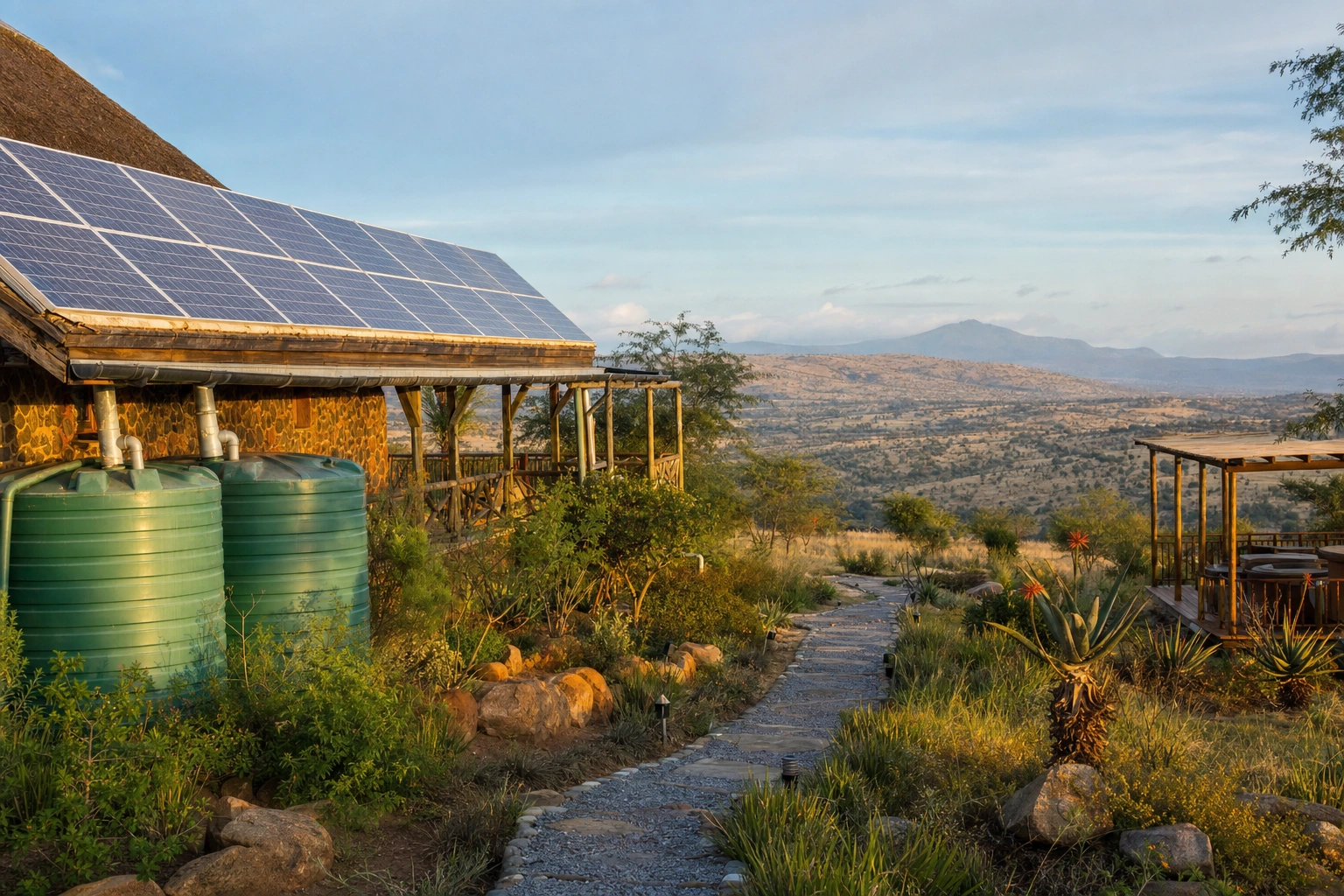
Tourism depends on the quality of places people want to visit: healthy ecosystems, distinctive cultures, welcoming communities, reliable infrastructure and memorable experiences. When tourism damages these foundations, it weakens the very destination on which its future depends. Sustainable tourism matters because it aims to meet the needs of visitors, businesses, residents and the environment at the same time.
Sustainability is not simply about using less plastic or planting trees. It involves making careful decisions about how tourism is planned, financed, operated and experienced. A sustainable tourism business considers its environmental footprint, treats workers and communities fairly, protects cultural and natural heritage, and remains financially viable over the long term.
What sustainable tourism means
Sustainable tourism is tourism that considers its current and future economic, social and environmental impacts. It seeks to create benefits for destinations without using resources, damaging ecosystems or undermining community wellbeing in ways that make future tourism less possible.
This definition is useful because it shows that sustainability has several connected dimensions:
- Environmental responsibility: reducing pollution, conserving water and energy, protecting biodiversity and managing waste.
- Social responsibility: respecting residents, supporting decent work, improving accessibility and ensuring that tourism does not displace or exploit local people.
- Cultural responsibility: protecting heritage, traditions, languages, sacred places and community identity from misuse or careless commercialisation.
- Economic responsibility: keeping tourism businesses financially healthy while ensuring that a reasonable share of value remains in the destination.
Sustainable tourism is broader than ecotourism. Ecotourism usually focuses on responsible travel to natural areas and often includes conservation and environmental education. Sustainable tourism applies to all forms of tourism, including hotels, business travel, beach holidays, cultural tourism, conferences, transport, restaurants and urban attractions.
Why tourism needs a sustainability approach
Tourism depends on natural resources
Hotels, restaurants, transport providers and attractions require water, energy, food, land and materials. In destinations where water is scarce, for example, high visitor demand can compete with the needs of residents and agriculture. Poorly managed wastewater can pollute rivers, lakes, beaches or groundwater. Excessive energy use can increase operating costs and contribute to greenhouse gas emissions, particularly where electricity depends heavily on fossil fuels.
Natural environments also provide the experiences that attract visitors. Wildlife, forests, coral reefs, mountains, lakes and coastlines are not merely scenery; they are part of the tourism product. Damage to these resources can reduce visitor satisfaction and remove income opportunities for guides, accommodation providers, restaurants, artisans and transport operators.
Tourism can place pressure on communities
Tourism creates employment and business opportunities, but the benefits are not automatically shared fairly. Residents may face rising prices, congestion, noise, restricted access to familiar spaces or changes to land use. Workers may experience seasonal employment, low wages or limited career progression. If local people are excluded from decisions, a destination can become financially successful while community support declines.
A sustainable approach asks who benefits, who carries the costs and who has a voice. It encourages local employment, fair procurement, skills development and meaningful participation in destination planning. In a Kenyan coastal town, for example, a tourism operator might work with local suppliers, support responsible fishing or farming initiatives, and consult residents before expanding activities that affect shared beaches or cultural sites.
Tourism can affect culture and heritage
Cultural tourism can generate income for museums, heritage sites, performers, craftspeople and community-led experiences. It can also encourage the preservation of buildings, practices and stories that might otherwise be neglected. However, culture can be distorted when traditions are performed without consent, sacred practices are treated as entertainment, or communities are presented through stereotypes.
Respectful tourism begins with permission and context. Visitors should understand what may be photographed, which places are private or sacred, and how participation should take place. Businesses should avoid presenting a community as a decorative backdrop. Instead, they can support locally controlled interpretation, accurate storytelling and fair payment for cultural knowledge and creative work.
The business case for sustainability
Sustainability is an ethical responsibility, but it is also a practical business issue. Efficient use of water, energy and supplies can lower operating costs. Preventing waste can reduce purchasing and disposal expenses. Durable equipment and well-maintained buildings can improve reliability. A clear sustainability policy can also help a business attract guests, employees, partners and investors who value responsible operations.
Strong sustainability practices can reduce risk. A hotel that relies on a single water source may be vulnerable during drought. A tour company that ignores changing weather patterns, habitat damage or community conflict may face interruptions and reputational harm. A destination that becomes overcrowded may lose the qualities that made it attractive. Planning for these risks can protect both income and the visitor experience.
Sustainability can also support product innovation. Examples include guided nature experiences led by trained local residents, farm-to-table menus based on seasonal ingredients, low-impact walking tours, accessible cultural activities and accommodation designed for passive cooling. These initiatives are most effective when they solve a real local problem rather than being added merely as marketing features.
How sustainable tourism protects the environment
Managing energy and emissions
Tourism businesses can begin by measuring where energy is used. Common areas include lighting, heating, cooling, refrigeration, laundry and transport. Practical measures may include efficient lighting, regular equipment maintenance, improved insulation, natural ventilation, solar water heating where appropriate, and operating procedures that avoid unnecessary consumption.
Transport requires particular attention because travel to and within a destination may create a substantial share of a trip's environmental impact. Businesses can encourage shared transfers, walking, cycling, rail travel where available and efficient vehicle use. They should communicate honestly about environmental performance rather than implying that one small action cancels out all other impacts.
Protecting water
Water stewardship involves more than asking guests to reuse towels. Businesses can check for leaks, install appropriate low-flow fittings, monitor consumption, use drought-tolerant landscaping and select cleaning processes carefully. Swimming pools, gardens, kitchens and laundry facilities may require different controls.
Water decisions should reflect local conditions. A measure that is suitable in a water-rich location may be inadequate in a drought-prone destination. Businesses should consider the needs of residents and nearby ecosystems before expanding facilities that increase demand.
Reducing waste and pollution
The most effective waste strategy begins before purchase. Businesses can reduce unnecessary packaging, buy durable products, use refill systems where hygiene and safety allow, and separate materials for reuse, recycling or responsible disposal. Food businesses can improve forecasting, portion control, storage and menu planning to reduce avoidable food waste.
Waste systems must be realistic. If local recycling or composting facilities do not exist, labelling a bin is not enough. Operators should identify what happens to materials after collection and avoid making claims that cannot be verified. Hazardous materials, wastewater and used cooking oil require appropriate handling rather than disposal with ordinary rubbish.
Conserving biodiversity
Wildlife and habitats need protection from disturbance, illegal collection, habitat loss and poorly managed visitor activity. Tour operators can follow site rules, maintain safe distances from animals, keep groups at suitable sizes and prevent guests from feeding or touching wildlife. Accommodation providers can use landscaping that supports local species and avoid introducing invasive plants.
In areas such as the Maasai Mara or other wildlife destinations, responsible tourism requires more than offering game drives. It involves respecting conservation rules, using trained guides, managing vehicle behaviour and recognising the role of communities living near protected areas. Conservation outcomes are stronger when local residents have legitimate opportunities to benefit from tourism and participate in decisions affecting their land and livelihoods.
Making tourism fairer for local communities
Local economic benefit is influenced by where tourism businesses buy goods and services. Purchasing food from local producers, contracting local maintenance providers and selling locally made crafts can help money circulate within the destination. However, local procurement should also consider quality, reliability, fair pricing and the capacity of suppliers. Long-term relationships and training may be more helpful than simply demanding that small businesses meet standards without support.
Employment practices matter as well. Responsible operators should provide clear terms, safe working conditions, fair treatment and opportunities to develop skills. Seasonal businesses can plan for continuity by offering training, cross-skilling or support for workers during quieter periods where feasible. Managers should also consider inclusion, including opportunities for women, young people, people with disabilities and groups that have traditionally been excluded from tourism decision-making.
Community participation should be meaningful rather than symbolic. Consultation is not effective if decisions have already been made. Residents need understandable information, enough time to respond and a genuine opportunity to influence plans. Community-led tourism models can be especially valuable when local people control the experience, set conditions for participation and receive transparent benefits.
Responsible visitor experiences
Sustainability is a shared responsibility, but businesses have greater control over the systems that shape visitor behaviour. Clear information can help guests make better choices without blaming them. A hotel might explain how water is managed locally, a guide might brief guests on wildlife etiquette, and a cultural attraction might provide guidance on photography and dress.
Good interpretation connects rules to reasons. “Do not leave the vehicle” is more meaningful when visitors understand that approaching animals can cause stress or alter natural behaviour. “Ask before taking a photograph” communicates respect for personal dignity and cultural ownership. Information should be accurate, accessible and available in forms suitable for different languages, abilities and levels of knowledge.
Visitors can contribute by choosing locally owned services, respecting community guidance, reducing waste, conserving water, avoiding purchases made from threatened wildlife or plants, and reporting unsafe or exploitative practices. They should also understand that responsible travel is not measured only by the presence of an environmental label or a green slogan.
Measuring sustainability and avoiding greenwashing
A sustainability claim should be specific, evidence-based and proportionate. Saying that a lodge is “eco-friendly” tells a potential guest very little. A more useful statement explains what is being measured, what action has been taken and what limitations remain. For example, a business may report its water use per guest night, the proportion of supplies purchased locally or the amount of waste diverted from landfill, provided the figures are collected consistently.
Businesses can create a simple measurement system by following these steps:
- Identify the main impacts: review energy, water, waste, transport, purchasing, employment, community relations and visitor safety.
- Collect a baseline: record current consumption, costs, incidents and stakeholder feedback before setting targets.
- Prioritise significant issues: focus first on impacts that are large, urgent or closely connected to local concerns.
- Set practical targets: choose measurable goals with responsibilities, deadlines and realistic budgets.
- Review and improve: compare results over time, explain setbacks and update actions when conditions change.
Greenwashing occurs when communication creates an exaggerated or misleading impression of environmental or social performance. Common warning signs include vague language, unverified claims, impressive images without evidence and a focus on one small initiative while ignoring major impacts. Transparency builds more trust than pretending that a business has no negative effects.
Applying This in Practice
Consider a small safari lodge, beach hotel or city tour company that wants to become more sustainable. It does not need to solve every issue at once. A practical first year might look like this:
- Map the operation: list major resource use, suppliers, staff conditions, community relationships, transport arrangements and visitor activities.
- Speak with stakeholders: ask employees, residents, suppliers, guests and conservation partners which impacts matter most.
- Choose three priorities: for example, reducing water loss, increasing local purchasing and improving wildlife or cultural interpretation.
- Assign responsibility: name a person or team for each action and provide time, training and a budget.
- Track results: monitor simple indicators such as monthly water consumption, local procurement value, staff training completed or visitor incidents.
- Communicate honestly: share progress and remaining challenges with staff and guests using clear, verifiable language.
Entrepreneurs can use the same approach when designing a new tourism product. Before launching, ask: What local need does this address? Which resources will it use? Who owns or controls the cultural knowledge involved? How will local people earn from it? What could go wrong during peak demand? How will the product remain viable if visitor numbers change?
These questions turn sustainability from a slogan into a management discipline. They also help businesses design experiences that are more distinctive, resilient and respectful. The strongest tourism products do not treat communities and nature as obstacles to growth; they recognise them as essential partners in long-term value creation.
Key Takeaways
- Sustainable tourism balances environmental protection, community wellbeing, cultural respect and financial viability.
- Tourism businesses should measure their use of water, energy, materials and transport before setting improvement targets.
- Local employment, fair procurement and meaningful community participation help keep tourism benefits in the destination.
- Responsible wildlife and cultural experiences require consent, accurate interpretation and respect for local rules.
- Specific evidence-based communication is more credible than vague “eco-friendly” claims.
- Start with the most significant impacts, assign responsibility and review progress regularly.
No comments yet.