
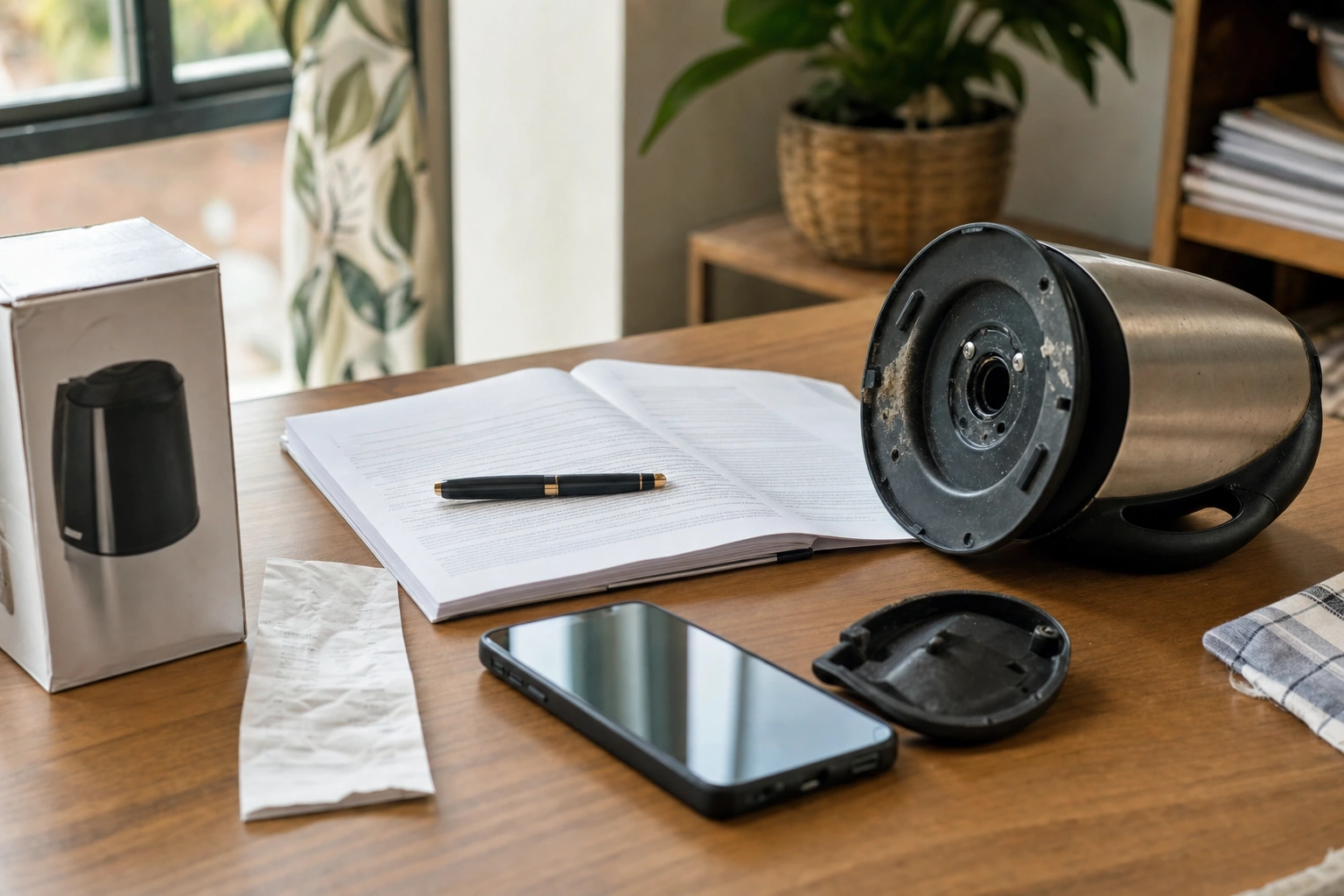
Consumers make decisions every day in shops, markets, banks, online stores, mobile-money services, transport businesses and professional offices. Most transactions are routine, but problems arise when a business withholds important information, makes misleading claims, adds unexpected charges, supplies unsafe goods or refuses to honour a legitimate agreement.
Consumer protection is the legal and practical framework that helps create fair dealings between businesses and the people who buy their goods or services. It does not give consumers a right to demand anything they want. Instead, it promotes honest information, reasonable safety, fair contract terms, accountability and suitable remedies when a transaction goes wrong.
What Are Unfair Business Practices?
An unfair business practice is conduct that takes improper advantage of consumers, often because the business has more information, bargaining power or technical knowledge. Unfairness may occur before a purchase, during the transaction or after payment has been made.
Some practices are deliberately deceptive. Others result from careless systems, poorly trained staff or badly drafted contracts. The effect on the consumer can be similar: the person pays more than expected, receives less than promised, accepts an unsuitable product or struggles to obtain a remedy.
Consumer protection law differs between countries, so the exact test for illegality and the available remedy depend on the jurisdiction, the contract and the facts. In Kenya, consumer protection is addressed through legal frameworks including the Consumer Protection Act, 2012, and competition law. Other rules may also apply to areas such as financial services, communications, insurance, health services, food and transport.
Common Types of Unfair Business Conduct
Misleading advertising and representations
A business may mislead consumers through words, images, omissions or an overall impression. The problem is not limited to an outright false statement. A technically accurate claim can still be misleading if important conditions are hidden or displayed in a way that consumers are unlikely to notice.
Examples include advertising a phone as having a particular feature when the feature is unavailable in the local version, describing a product as “original” without a reasonable basis, or promoting a low price while failing to make clear that compulsory charges will be added later. Claims about quality, performance, origin, benefits, availability, warranties and delivery dates should be capable of being supported.
False urgency and pressure selling
Some sellers create artificial pressure by claiming that a product is almost sold out, that a discount ends immediately or that a consumer must decide before reading the terms. Genuine limited offers are not automatically unfair. The concern arises when urgency is fabricated or used to prevent informed decision-making.
High-pressure sales may also involve repeated calls, aggressive doorstep selling, intimidation, refusal to allow a customer to leave, or emotional manipulation. A consumer should have a meaningful opportunity to understand the transaction and decide freely.
Hidden fees and unclear pricing
Price transparency is central to a fair transaction. A displayed price that excludes unavoidable charges may give a false impression of affordability. Consumers can be particularly vulnerable when fees are revealed only at checkout, after a service has started or when cancellation is requested.
Before paying, check the total amount, taxes or levies where applicable, delivery charges, installation costs, subscription renewals, late-payment fees, foreign-exchange costs and cancellation charges. A business should present material costs clearly enough for a reasonable customer to understand what they will pay.
Unfair contract terms
Standard-form contracts are common in banking, insurance, mobile services, online platforms, rentals and subscriptions. Consumers often have little opportunity to negotiate them. A term may raise fairness concerns if it creates a severe imbalance, is hidden in dense wording, allows the business to change essential terms unilaterally, or removes responsibility for conduct that the law does not permit a business to exclude.
Not every unfavourable term is unlawful. A cancellation fee, limitation of liability or renewal clause may be valid if it is clearly disclosed and reasonable in context. The important questions are whether the consumer had adequate notice, whether the term is understandable and whether it operates in a disproportionate or oppressive way.
Unsafe, defective or unsuitable goods
Businesses have responsibilities relating to the safety and quality of goods and services. A product can be dangerous because of a manufacturing defect, poor design, missing instructions, improper storage or counterfeit components. Services can also cause harm when provided negligently or without the required competence.
Consumers should follow safety instructions, but a warning does not excuse a business from supplying goods that are inherently unsafe or from hiding a known risk. If a product causes injury or property damage, preserve the product and relevant evidence, seek medical or professional help where necessary, and obtain legal advice if the loss is significant.
Bait advertising and substitution
Bait advertising occurs when a business promotes an attractive product or price without having a reasonable ability or intention to supply it, then directs customers towards a more expensive alternative. A genuine stock shortage can happen, but businesses should communicate honestly rather than use a low-priced offer merely to attract customers.
Unfair treatment of complaints
A business does not become fair simply because it has a complaints procedure. A system may be ineffective if staff ignore complaints, demand unreasonable evidence, repeatedly transfer the customer, provide no reference number or refuse to explain the decision.
Consumers should also distinguish between a genuine complaint and an attempt to obtain an unjustified benefit. A strong complaint is factual, proportionate and supported by evidence.
Core Consumer Rights
Consumer rights are often described in different ways across legal systems, but several principles are widely recognised.
- Right to safety: Consumers should be protected, as far as the law provides, from goods and services that create unreasonable risks to health or property.
- Right to information: Consumers should receive accurate, sufficient and understandable information about price, quality, important limitations, risks, terms and the identity of the supplier.
- Right to choose: Consumers should be able to compare alternatives without deception, coercion or improper restrictions.
- Right to fair treatment: Businesses should not exploit vulnerability, use oppressive terms or discriminate unlawfully.
- Right to redress: Where a product or service fails to meet a legal or contractual standard, an appropriate remedy may include repair, replacement, refund, correction, cancellation, compensation or another lawful solution.
- Right to be heard: Consumers should have a reasonable opportunity to raise complaints and have them considered through available business, regulatory, alternative dispute-resolution or court processes.
- Right to consumer education: People need accessible information to understand products, contracts, risks and available remedies.
These rights operate alongside consumer responsibilities. A consumer should read important terms, provide accurate information, use products as instructed, protect payment details, keep records and avoid making unsupported allegations. Responsible consumer behaviour strengthens a complaint rather than weakening it.
Understanding the Difference Between a Fault and an Unfair Practice
A faulty product and an unfair business practice are related but not identical. Suppose a blender stops working shortly after purchase. The immediate issue may be a defect or failure to meet the agreed quality. If the seller refuses a remedy despite the fault, a separate issue may arise from the seller's response. If the seller had advertised the blender as commercial-grade while knowing it was designed only for occasional home use, the transaction may also involve misleading representation.
Similarly, a delayed delivery is not automatically unlawful. Delays can result from events outside the seller's control. The relevant questions include what was promised, whether the delivery date was essential, whether the business communicated promptly, whether the consumer suffered loss and what the contract or applicable law provides.
Separating the issues helps you choose an effective remedy. Identify whether the problem concerns inaccurate information, product quality, service performance, contract terms, safety, payment processing, privacy or a combination of these.
How to Protect Yourself Before Paying
- Compare the full offer. Look beyond the headline price. Check what is included, excluded or payable later.
- Verify the seller. Confirm the business name, physical or contact details, return process and, where relevant, professional or regulatory credentials.
- Ask specific questions. Clarify specifications, delivery, warranties, maintenance, renewal, cancellation and compatibility.
- Read important terms. Pay particular attention to automatic renewal, deposits, exclusions, dispute procedures and limitations of liability.
- Check claims that matter. If a seller says a product is certified, imported, organic, genuine or suitable for a particular purpose, ask what supports the claim.
- Keep evidence. Save quotations, screenshots, advertisements, receipts, emails, messages, serial numbers and photographs.
For a significant purchase, written communication is especially valuable. A verbal promise can be difficult to prove later, while a message confirming the agreed price and specifications creates a clearer record.
What to Do When a Transaction Goes Wrong
Step 1: Stop further loss
Stop using an unsafe product, cancel a recurring payment where appropriate and secure accounts if payment or identity details may have been compromised. Do not destroy or alter a defective product if it may be needed as evidence.
Step 2: Gather the facts
Write a short timeline: when you saw the offer, what was promised, when you paid, what you received, when the problem appeared and how the business responded. Separate confirmed facts from assumptions. Attach supporting documents and record the financial loss.
Step 3: Complain to the business clearly
Send the complaint through a channel that creates a record. State the transaction, the problem, the remedy you are requesting and a reasonable response date. For example, you might request repair, replacement, refund, correction of a billing error or cancellation of a service that was misrepresented.
A useful complaint is specific:
“On 8 March, I paid for the model described in the attached quotation. The item delivered has a different specification and does not perform the stated function. Please arrange replacement with the agreed model or provide a refund, and confirm the proposed remedy in writing.”
Step 4: Escalate appropriately
If the business does not respond, consider its senior complaints officer, the payment provider, an industry ombudsman, a relevant regulator, a consumer organisation or an alternative dispute-resolution process. The appropriate body depends on the sector and country. In Kenya, a consumer may need to distinguish between a general consumer complaint and a matter falling under a sector-specific regulator or competition authority.
Step 5: Consider formal legal action
Court action may be appropriate where the loss is substantial, the business denies a clear obligation or other remedies have failed. Before filing, check limitation periods, jurisdiction, filing fees, evidence requirements and whether a pre-action complaint is expected. Legal advice is sensible for complex contracts, personal injury, large financial losses, group complaints or suspected fraud.
Remedies and Proportionality
The appropriate remedy depends on the nature and seriousness of the breach. A minor billing error may be corrected through an adjustment. A defective appliance may justify repair or replacement, and sometimes a refund. A service that was never delivered may call for repayment. Misleading conduct causing additional financial loss may raise a claim for compensation, subject to applicable law and proof.
Consumers should not assume that a refund is available in every situation simply because they have changed their mind. Return rights may depend on the contract, the type of product, the condition of the goods, the time involved and statutory protections. Equally, a “no refunds” notice does not necessarily remove legal rights relating to defects, misrepresentation or failure to provide what was agreed.
Applying This in Practice
Imagine that a small business in Nairobi orders branded packaging from an online supplier. The advertisement shows a stated quantity and quality, but the delivery contains fewer items made from a visibly thinner material. The supplier then claims that the online image was only illustrative and refuses to discuss the difference.
The buyer should first preserve the advertisement, order confirmation, invoice, delivery note, messages and photographs. Next, the buyer should compare the promised specification with the delivered goods and calculate the practical loss. A written complaint should identify the mismatch and request a reasonable remedy, such as replacement, a proportionate price adjustment or a refund where appropriate.
If the supplier does not respond, the buyer can review the platform's dispute process, contact the payment provider if its rules allow a transaction dispute, and seek guidance from an appropriate consumer, competition or sector authority. If the amount is substantial, the buyer should consider professional legal advice. The same method applies to individual purchases: establish the promise, document the breach, request a specific remedy and escalate with evidence.
Questions to Consider
- What exactly did the business promise, and where is that promise recorded?
- Was the important information clear before payment, or was it hidden in fine print or revealed later?
- Is the main problem deception, poor quality, unsafe performance, an unfair term, a billing error or failure to deliver?
- What remedy would put the consumer in a fair position without demanding more than the loss justifies?
- Which regulator, dispute-resolution body or court has authority over this type of transaction?
- Have all relevant records been preserved, including advertisements that may later disappear?
Key Takeaways
- Unfair business practices can involve misleading claims, hidden charges, pressure selling, unsafe goods, defective services or oppressive contract terms.
- Before paying, check the total cost, important conditions, seller identity, product claims, cancellation rules and warranty arrangements.
- Keep quotations, receipts, screenshots, contracts, messages, photographs and a clear timeline of events.
- When complaining, state the facts, identify the problem, request a specific remedy and keep the communication in writing.
- Distinguish between a product fault, misleading conduct, an unfair term and poor complaint handling; one transaction may involve more than one issue.
- Escalate through the appropriate business, payment, regulatory, alternative dispute-resolution or court channel, depending on the sector and the seriousness of the loss.
No comments yet.