
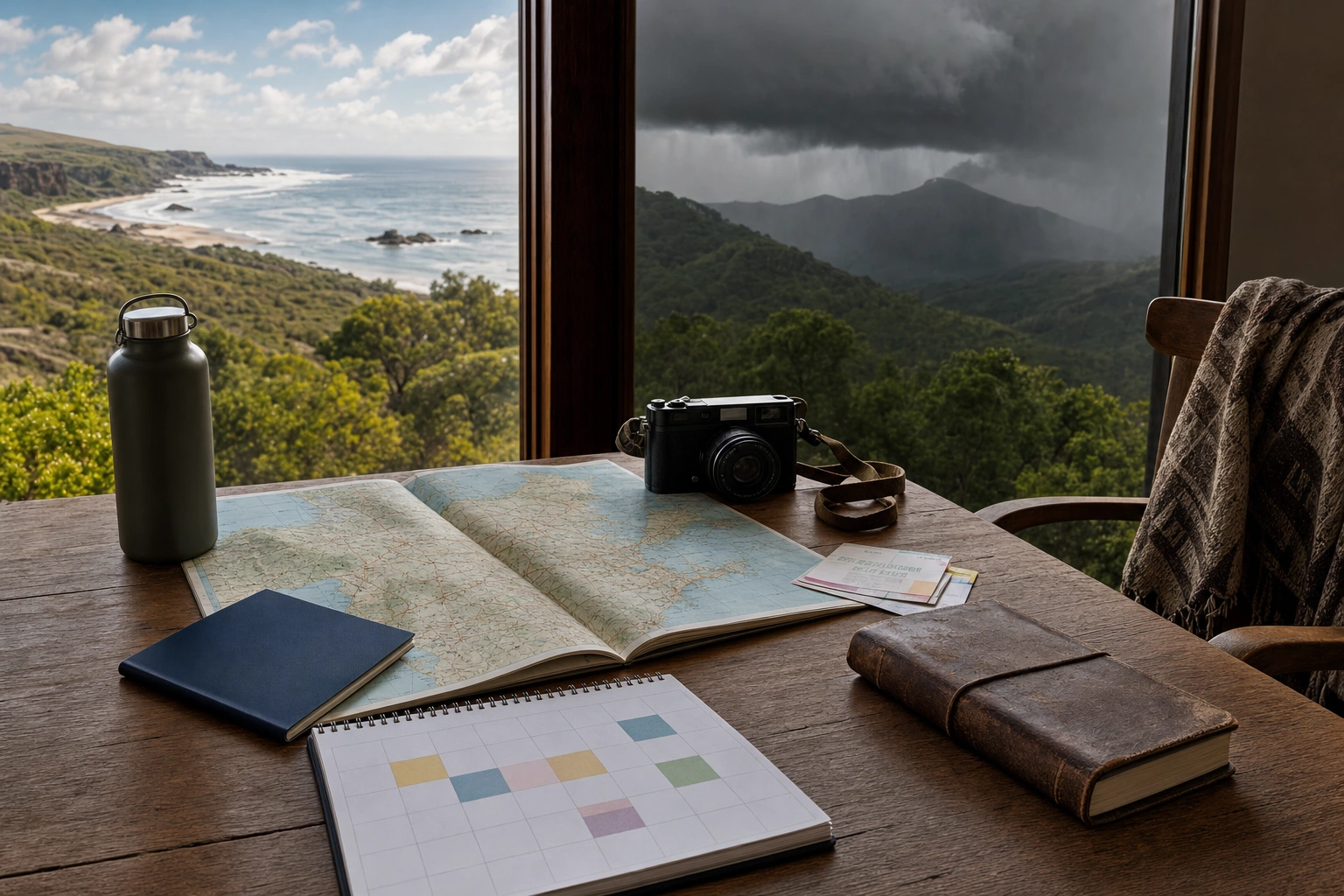
Travel planning is shaped by more than destination and budget. The time of year you travel can affect almost every part of the experience, including transport prices, accommodation availability, weather, visitor numbers, local events and the activities you can enjoy. This pattern is known as seasonality.
Understanding seasonality helps travellers make better decisions instead of assuming that the cheapest date, the sunniest month or the most popular period will automatically be the best choice. It is equally useful for tourism professionals, hospitality managers and business owners who need to anticipate demand and serve guests effectively.
What Seasonality Means in Travel
Seasonality refers to predictable changes in travel demand and tourism conditions during different times of the year. These changes may occur by month, school term, holiday period, weather cycle or event calendar. A destination can have several overlapping seasons rather than one simple busy period and one quiet period.
Most destinations are commonly described using three broad travel seasons:
- High season: The period when demand is strongest. Prices may be higher, popular accommodation may sell out quickly and attractions may be crowded.
- Shoulder season: The period between high and low season. It often offers a balance between reasonable prices, manageable visitor numbers and acceptable weather.
- Low season: The period when demand is weakest. Travellers may find lower prices and greater availability, although some services, attractions or transport connections may operate less frequently.
These labels are useful starting points, but they are not universal. A coastal destination may be busiest during school holidays, while a mountain destination may peak during a dry or snowy period. A city may experience a quiet month for leisure tourism but a busy period because of conferences, festivals or sporting events.
Why Seasonality Matters When Planning a Trip
Weather and comfort
Weather is one of the most visible influences on travel planning. Rainfall, heat, humidity, cold, wind and daylight hours can affect what travellers do and how comfortable they feel. A beach holiday may depend on calm conditions, while a wildlife excursion may be more enjoyable when roads are passable and outdoor activities are practical.
Weather does not automatically make one season good and another bad. Rain can create greener landscapes and fewer crowds, while a dry period may provide easier access but harsher heat. The important question is whether the expected conditions suit the purpose of the trip.
Prices and personal budgets
Demand often influences prices. During popular periods, flights, trains, rooms, tours and car hire may become more expensive or less available. Travellers who can move their dates by a few days or weeks may find better value outside the busiest period.
However, a low headline price does not always mean a cheaper trip overall. If a destination has limited transport, fewer open restaurants or weather-related delays during its low season, the traveller may spend more on alternatives, longer transfers or changes to the itinerary. Compare the total cost and convenience rather than looking at accommodation price alone.
Availability and competition
High-season travel requires earlier planning because popular services can fill quickly. This is particularly important for family holidays, group travel, major events and destinations with limited accommodation. Travellers may need to reserve rooms, permits, activities and transport separately.
In the low season, availability is usually less of a problem, but some businesses may reduce their opening hours or temporarily close for maintenance. A flexible traveller can benefit from the extra space, but should confirm which services will actually be operating.
Activities and local experiences
Many attractions are seasonal by nature. Wildlife movements, whale-watching opportunities, hiking conditions, agricultural harvests, cultural festivals and water sports may all follow particular patterns. Choosing the wrong date can mean missing the central experience that motivated the trip.
For example, a traveller visiting Kenya may need to consider rainfall, road conditions and park accessibility when planning a safari. A visitor interested in coastal activities may need to check sea conditions and local weather patterns. The same destination can offer very different experiences at different times of year.
Different Forms of Seasonality
Seasonality is not caused by weather alone. Identifying the type of seasonality affecting a destination makes research more precise.
Climatic seasonality
This is linked to natural weather cycles such as wet and dry seasons, winter and summer, hurricanes, extreme heat or cold. It can influence transport reliability, outdoor comfort, health considerations and the availability of nature-based activities.
Institutional seasonality
School holidays, public holidays, annual leave patterns and business calendars create predictable travel peaks. Families often travel when schools are closed, while business travel may increase during conference or financial planning periods.
Event-based seasonality
Festivals, religious celebrations, sporting competitions, exhibitions and cultural events can cause short but intense increases in demand. Events may raise prices and create congestion, but they can also provide a valuable reason to visit.
Economic and market seasonality
Exchange rates, airline schedules, corporate travel budgets and marketing campaigns can influence when people travel. A destination may become particularly attractive to visitors from one market during that market's holiday period, even when local conditions are not at their busiest.
How to Research Seasonality Before Booking
- Define the purpose of the trip. Decide whether the priority is relaxation, wildlife, business, adventure, cultural learning, visiting family or attending a specific event. The right season depends on this purpose.
- Identify the destination's main seasons. Research weather patterns, school holidays, public holidays, major events and the usual operating calendar for attractions. Look for information from destination authorities, transport providers, accommodation businesses and reputable local sources.
- Check conditions for the exact activity. Do not rely only on general statements such as good weather. Find out whether roads, trails, parks, museums, beaches, boats or tour operators are normally accessible during the proposed dates.
- Compare total costs. Include transport, accommodation, meals, entry fees, transfers, insurance, equipment and possible weather-related changes. A slightly more expensive season may offer better reliability, while a cheaper period may require extra planning.
- Review availability. Check whether the key parts of the trip can be booked. If one activity is essential, confirm its operating dates before paying for non-refundable travel.
- Assess crowd tolerance. Some travellers value lively streets, events and a wide choice of restaurants. Others prefer quiet beaches, shorter queues and more personal space. Visitor numbers are part of the travel experience, not merely a logistical detail.
- Build a backup plan. Include indoor alternatives, flexible transport, additional time and cancellation options where possible. This is especially important during periods of heavy rain, extreme heat or uncertain transport conditions.
Choosing Between High, Shoulder and Low Season
When high season may be appropriate
High season can be the best option when conditions are central to the trip or when travellers need dependable access to a full range of services. Families may choose it because it matches school holidays. First-time visitors may prefer it because attractions, tours and transport options are operating at full capacity.
The trade-off is that popular places may feel crowded and expensive. To manage this, book important services early, travel at less busy times of day, stay slightly outside the main centre and avoid assuming that every attraction will accept walk-in visitors.
When shoulder season offers the best balance
Shoulder season is often attractive to travellers who want a compromise. Weather may be changing but still suitable, prices may be more moderate and visitor numbers may be lower. It can also create better opportunities to interact with local communities and explore at a slower pace.
Shoulder season requires careful checking because conditions can vary from one week to another. Ask accommodation providers and activity operators about typical operating arrangements rather than relying on a broad seasonal label.
When low season is worthwhile
Low season may suit budget-conscious travellers, remote workers, experienced planners and visitors whose activities are not weather-dependent. It can provide greater choice of rooms, quieter attractions and more time for unhurried exploration.
Before choosing it, check whether the destination becomes difficult to reach, whether key attractions close, and whether severe weather could affect safety or comfort. Travellers should also avoid treating local communities and businesses as background scenery: a quiet period may be economically difficult for tourism-dependent areas, even when it offers good value to visitors.
Practical Examples of Seasonal Planning
Consider a couple planning a three-day city break. Their main interests are museums, food and architecture, so they do not need beach weather. They might choose a shoulder or low-demand period, provided museums and restaurants are open. Their planning should focus on public holidays, event crowds, opening days and indoor alternatives rather than simply selecting the warmest month.
Now consider a family planning a national-park visit. Their priorities may include comfortable road travel, accommodation close to the park and reliable access to guided activities. They should compare rainfall, road conditions, park regulations, school-holiday demand and the availability of suitable family rooms. A less crowded period may be attractive, but only if the desired activities remain practical.
For a business traveller attending a conference, the event date determines much of the schedule. The traveller should book accommodation early, allow time for transport delays and check whether the event creates unusually high demand across the city. Adding leisure days before or after the conference may offer a different seasonal experience and reduce pressure on the main itinerary.
How Tourism Businesses Respond to Seasonality
Seasonality also affects hotels, restaurants, tour companies, transport operators and destination managers. Businesses must balance peak-period demand with quieter months. Common responses include offering different packages, developing activities for less weather-sensitive periods, adjusting staffing levels and scheduling maintenance when demand is low.
For a hospitality business, understanding seasonality improves forecasting. Managers can plan stock, staffing, room availability, pricing, marketing and cash flow more realistically. A lodge near a wildlife destination might promote different experiences in different periods, while a city hotel could target conferences or local events during traditionally quieter weeks.
Responsible planning is important. Excessive concentration of visitors in one short period can strain water, waste, roads, heritage sites and local services. Spreading demand across the year, where appropriate, may improve visitor experience and support more stable employment. Businesses should still communicate honestly about weather, access and operating limitations rather than presenting every season as identical.
Applying This in Practice
Use the following simple decision process when selecting travel dates:
- Write down the trip's three most important outcomes, such as seeing wildlife, controlling costs or attending an event.
- Mark the dates that are fixed and the dates that can move.
- For each possible period, rate weather, price, crowds, availability and activity access as high, medium or low priority.
- Check the most important assumptions with local operators before booking non-refundable services.
- Reserve essential arrangements first, then build the rest of the itinerary around them.
- Keep time and money aside for disruption, particularly when travelling during a season with difficult weather or limited transport.
A useful final question is not simply, Which season is best? Instead ask, Which combination of conditions best supports this particular trip? The answer may be different for two people visiting the same destination, and it may change depending on whether the traveller values savings, comfort, adventure, quietness or reliability most.
Key Takeaways
- Seasonality affects weather, prices, crowds, availability, transport and activities.
- High, shoulder and low seasons involve different trade-offs rather than one universally best choice.
- Research the exact activity and operating dates instead of relying only on general seasonal labels.
- Compare the total trip cost, including transport, alternatives, possible delays and unavailable services.
- Use flexible dates and shoulder-season travel when you want a balance between value and convenience.
- Confirm essential arrangements early and prepare a backup plan for seasonal disruption.
No comments yet.